UK Gambling Commission Sets Out Staged Rollout for Financial Risk Assessments

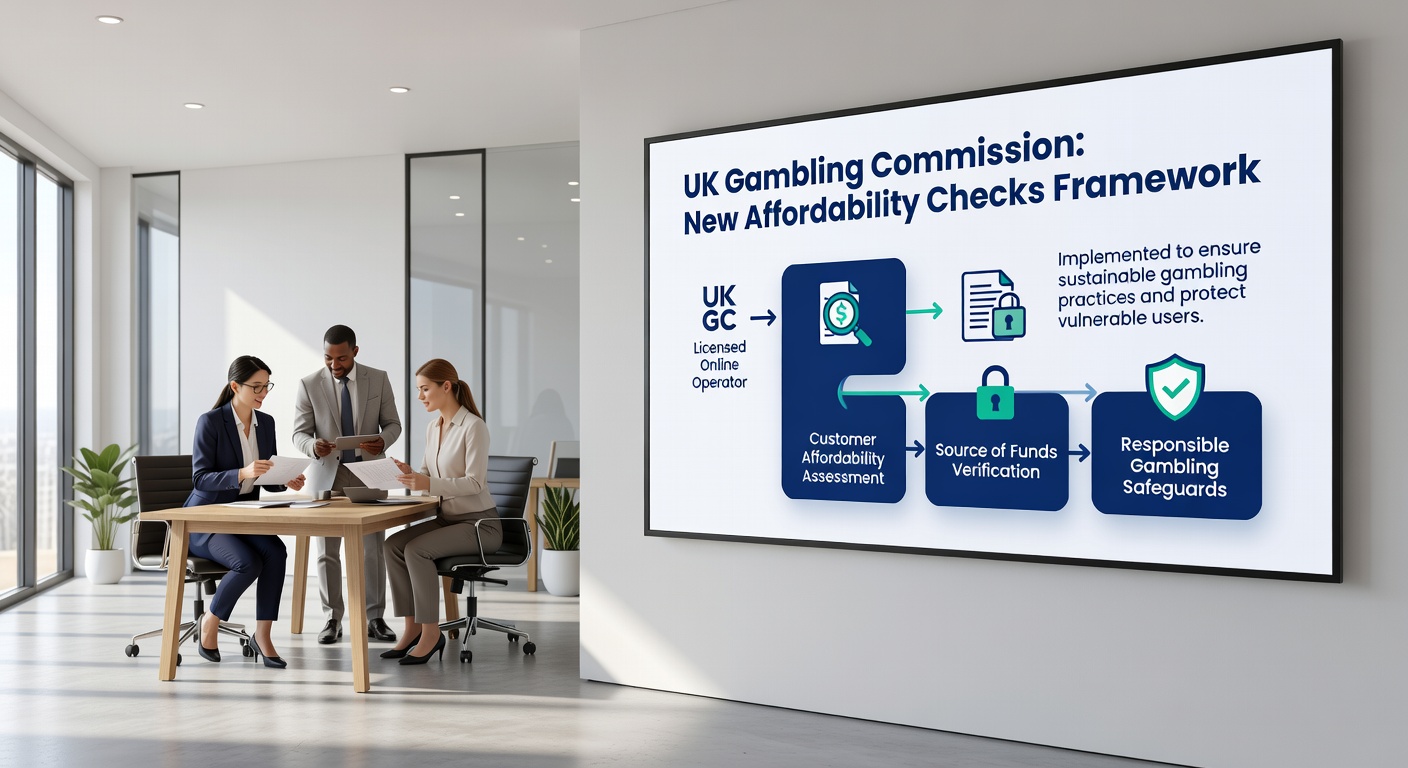
The UK Gambling Commission has confirmed plans to introduce Financial Risk Assessments through a streamlined and staged approach, with the first elements scheduled to take effect in July 2026; this framework targets high-spending customers who may face financial difficulties while forming part of wider consumer protection measures across the licensed gambling sector.
Under the new process operators will gather and review financial information at defined spending thresholds, beginning with lighter checks that escalate only when patterns indicate elevated risk, and the Commission has emphasized that this method reduces unnecessary friction for most players while focusing resources on those who need support.
Core Elements of the Staged Framework
The staged model starts with automated data collection at the first threshold, moves to manual review if spending continues to rise, and incorporates direct engagement with the customer when indicators suggest possible harm; each stage builds on the previous one, allowing operators to apply proportionate responses rather than a single rigid check.
Operators receive clear guidance on data sources they may use, including open banking feeds and credit reference checks, while the Commission requires that any assessment respects data protection rules and gives customers the right to understand how decisions are reached.
Timeline and July 2026 Launch
Implementation begins in July 2026 with the lowest threshold checks, followed by higher tiers rolling out over subsequent months; the Commission has published a detailed schedule so that operators can update their systems and train staff ahead of each phase.
Testing periods will run before full enforcement, giving firms time to refine processes and report back on practical challenges encountered during the initial months.
Consumer Protection Objectives
The assessments aim to identify individuals whose gambling spend appears inconsistent with their financial circumstances, enabling operators to offer tailored support such as deposit limits or referrals to advice services; the Commission states that early intervention can prevent escalation into more serious difficulties.
Data shared by the regulator shows that high-spending segments account for a disproportionate share of reported harm cases, which is why the staged checks concentrate resources where evidence indicates the greatest need.
Operator Responsibilities and Compliance
Licensed operators must integrate the new checks into existing customer interaction protocols, update their policies to reflect the staged thresholds, and maintain records that demonstrate consistent application; failure to comply may result in regulatory action under existing licence conditions.
The Commission will monitor implementation through routine audits and targeted reviews, with particular attention paid to how firms handle customer data and communicate outcomes during each assessment stage.
Industry Preparation and Support
Trade bodies have begun circulating guidance notes and hosting webinars to help members interpret the Commission’s requirements, while technology providers are developing tools that automate the lighter stages of the assessment process; these developments allow smaller operators to meet the standards without building bespoke systems from scratch.
Regular updates from the regulator will clarify any points that emerge once live data starts flowing in July 2026, ensuring the framework remains practical as well as protective.
Conclusion
The staged introduction of Financial Risk Assessments marks a measured expansion of existing consumer protection tools, giving operators a structured pathway to support high-spending customers while maintaining operational efficiency across the sector; further details and updated guidance will appear on the Gambling Commission website as the July 2026 rollout approaches.