Broker Facilitated Connections Between Pinnacle Line Shifts and Betfair Order Book Movements in Football Markets
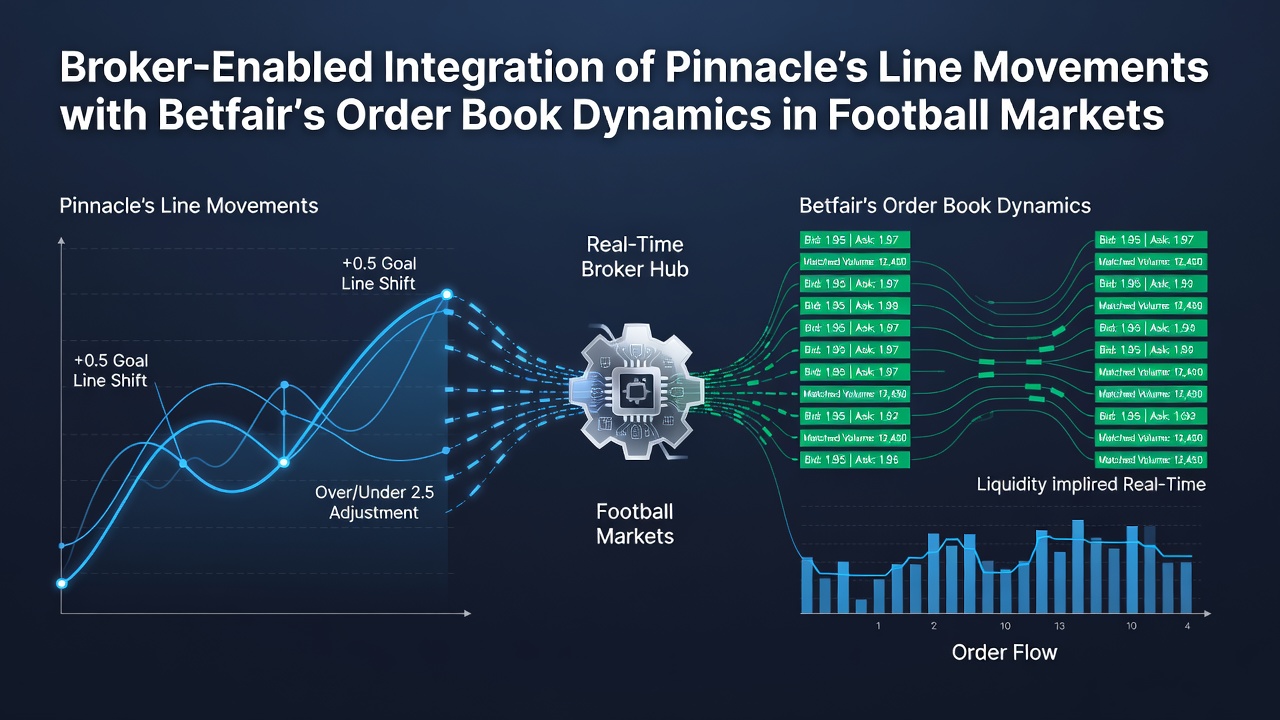 Brokers serve as intermediaries that route Pinnacle's updated odds directly into Betfair trading platforms, allowing participants to align sharp line adjustments with live exchange liquidity in football markets. This setup operates through dedicated data streams that capture Pinnacle's rapid responses to betting volume and then translate those shifts into executable orders on Betfair. Data from industry reports shows that such connections have grown steadily since early 2025, particularly for major European leagues where match volumes create frequent line movements. Observers note that the process begins with brokers securing direct feeds from Pinnacle's Asian markets, which often reflect early information advantages before European exchanges adjust. These feeds include both pre-match and in-play updates for events such as Premier League fixtures and Champions League ties. Once received, software tools convert the movements into Betfair-compatible formats that update order books automatically, reducing manual intervention and latency during high-volatility periods.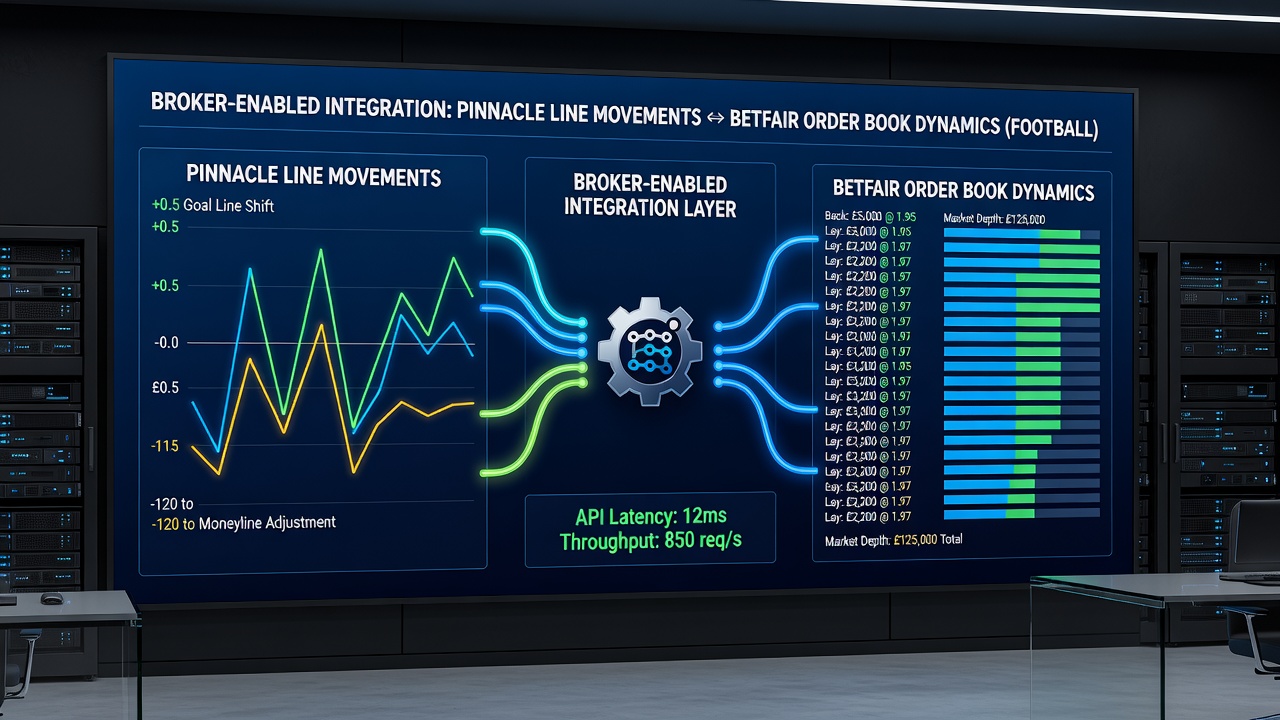
Brokers serve as intermediaries that route Pinnacle's updated odds directly into Betfair trading platforms, allowing participants to align sharp line adjustments with live exchange liquidity in football markets. This setup operates through dedicated data streams that capture Pinnacle's rapid responses to betting volume and then translate those shifts into executable orders on Betfair. Data from industry reports shows that such connections have grown steadily since early 2025, particularly for major European leagues where match volumes create frequent line movements. Observers note that the process begins with brokers securing direct feeds from Pinnacle's Asian markets, which often reflect early information advantages before European exchanges adjust. These feeds include both pre-match and in-play updates for events such as Premier League fixtures and Champions League ties. Once received, software tools convert the movements into Betfair-compatible formats that update order books automatically, reducing manual intervention and latency during high-volatility periods.Core Mechanics of Line Integration
Pinnacle maintains tighter margins on football outcomes compared to many retail books, which produces earlier and more precise line adjustments when new information emerges. Brokers channel these adjustments into Betfair by monitoring order book depth at key price levels, such as 1.85 or 2.05 on match winner selections. When Pinnacle moves a line by 0.05 or more, integrated systems can trigger corresponding limit orders or cancellations on the exchange side. Research indicates that the synchronization relies on low-latency APIs maintained by the brokers themselves, with data packets refreshed every few seconds during active trading windows. This timing matters because football markets experience clustered activity around events like goals or red cards, where delays of even seconds can alter fill rates. Participants using these routes often set custom thresholds so that only movements exceeding a defined size activate Betfair trades, which helps manage exposure across multiple concurrent matches.Software and Infrastructure Requirements
Specialized platforms handle the translation layer between Pinnacle data and Betfair's exchange engine. These tools parse incoming line changes, calculate equivalent Betfair prices accounting for commission structures, and place orders while respecting available liquidity at each tick. One documented approach involves mapping Pinnacle's handicap lines to Betfair's over-under or Asian handicap equivalents, creating synthetic positions that mirror the sharper odds source. As of June 2026, several broker platforms have expanded support for multi-market correlation, allowing simultaneous monitoring of Pinnacle movements in both match result and goal line categories. This expansion aligns with increased in-play volumes reported across major football competitions, where order book dynamics shift rapidly. The infrastructure typically runs on dedicated servers to maintain consistent connections, with failover protocols that switch feeds if primary Pinnacle sources experience brief interruptions.