Elite Pricing Pathways: How Professionals Map Routes Across Global Betting Jurisdictions
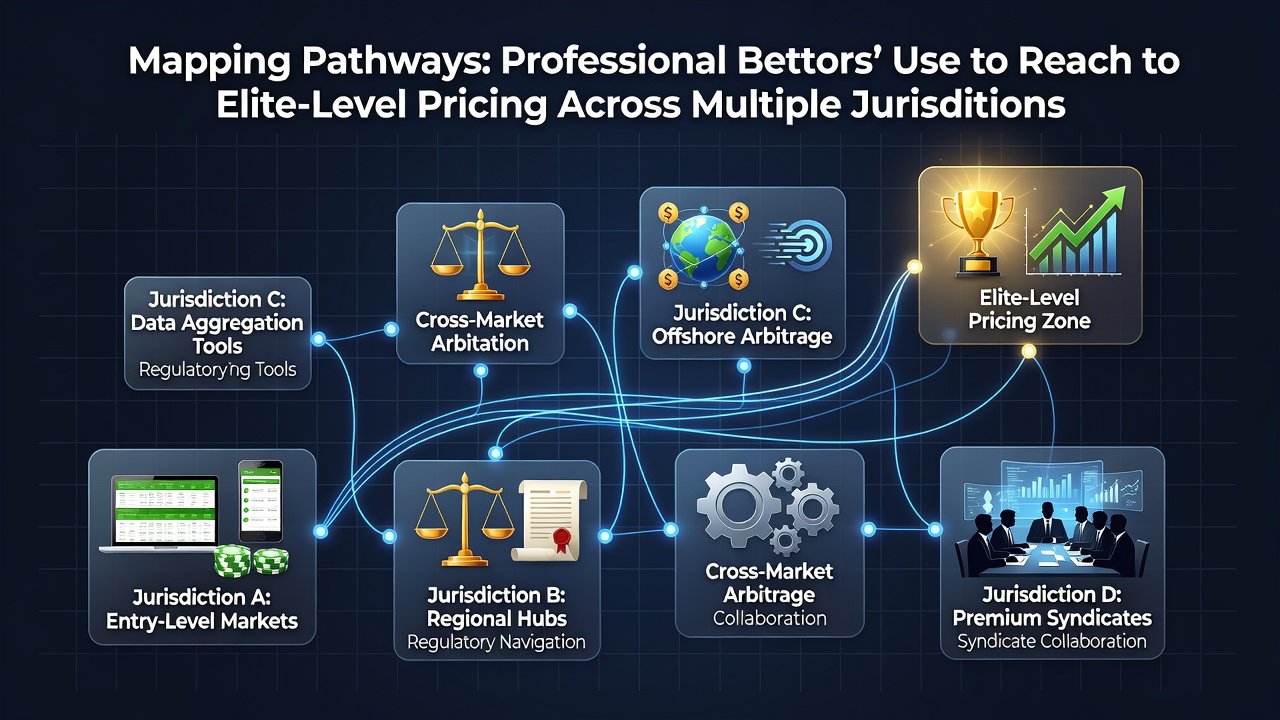
Professional bettors construct detailed maps of regulatory environments to secure access to the sharpest available prices, and these pathways often span several continents with distinct licensing rules and market structures. Data from industry reports shows that operators in places like Nevada and New Jersey maintain tighter margins on certain sports compared to emerging markets in Latin America, which creates incentives for cross-border coordination.
Those who study these systems note that success depends on aligning local compliance requirements with real-time data feeds. In June 2026 several Canadian provinces expanded online licensing frameworks, allowing licensed platforms to publish more granular line movements that traders monitor through specialized interfaces.
Regulatory Frameworks Shape Access Routes
Each jurisdiction imposes its own set of capital, reporting, and player-verification standards that directly affect how quickly professionals can move funds and adjust positions. Observers point out that Australian state-level rules, for instance, require detailed transaction logs that slow certain arbitrage sequences yet provide clearer audit trails for long-term strategies. Research from academic sources indicates that traders who maintain separate legal entities in multiple regions reduce exposure when one authority tightens enforcement.
European markets outside the United Kingdom present another set of variables, with Malta and Gibraltar licenses often serving as hubs for operators targeting wider audiences. Professionals frequently route orders through these hubs because the licensing bodies publish timely updates on operator solvency and market integrity.
Data Integration and Technology Layers
Modern pathways rely on layered software that pulls odds from licensed books in different time zones while filtering for regulatory compliance flags. One study revealed that firms combining feeds from North American and Asian sources achieved narrower effective spreads during major events. These systems flag discrepancies caused by local tax treatments or promotional restrictions before they affect settlement.
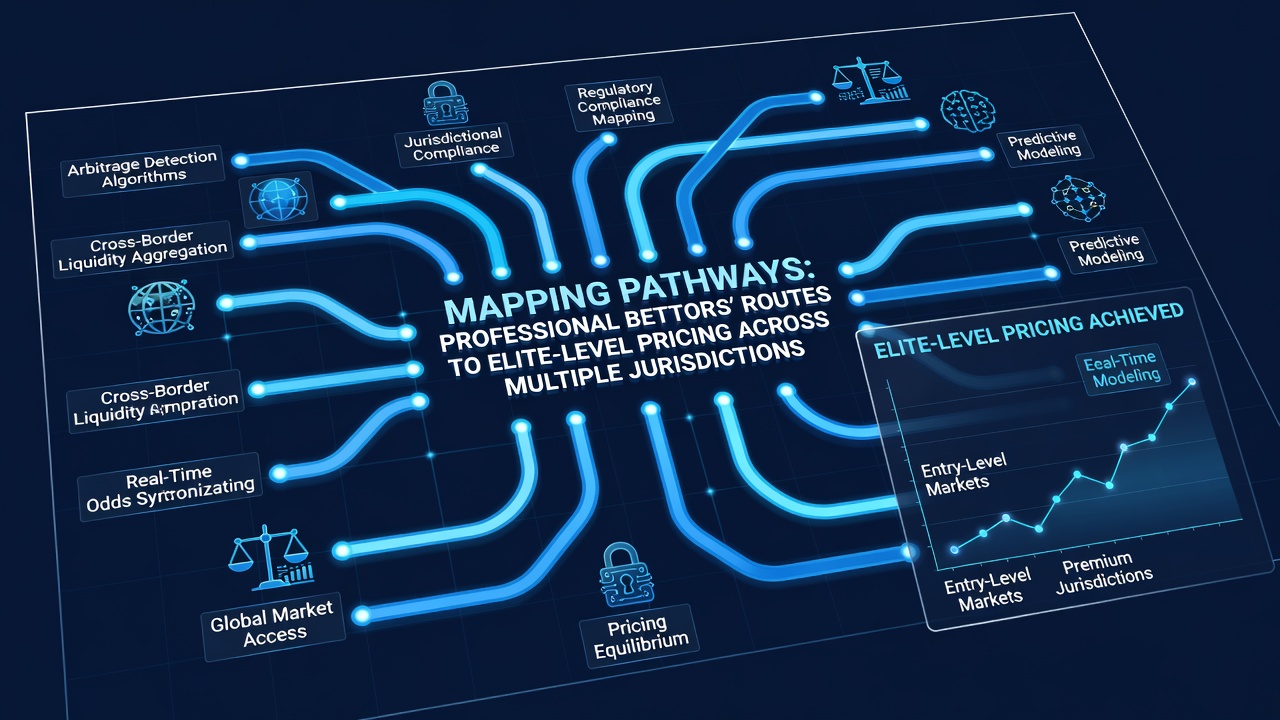
Figures from regulatory filings in several US states show increased adoption of automated reconciliation tools that reconcile bets placed under different licensing regimes. The process involves mapping each wager to its originating jurisdiction's tax code and payout timeline, which prevents mismatches that could trigger compliance reviews.
Case Examples from Distinct Markets
Take one group of traders who established operations linking New Jersey sportsbooks with regulated platforms in Victoria, Australia. They documented how differing rules on maximum bet sizes created temporary pricing gaps that closed within minutes once identified through synchronized monitoring. Another example involves professionals who used Canadian provincial licenses to access European soccer markets during off-peak hours in North America, capitalizing on liquidity differences documented in exchange data.
What's interesting is how these arrangements evolve when authorities release new guidance. In early 2026 several Latin American regulators introduced real-time reporting portals that traders integrated into existing dashboards, shortening the time required to confirm price validity across borders.
Risk Controls and Capital Allocation
Effective mapping includes built-in checkpoints for currency controls, tax withholding, and withdrawal limits that vary by jurisdiction. Professionals allocate portions of total capital to each licensed entity according to historical volatility data rather than concentrating exposure in any single market. This approach appears in reports from international gaming associations that track cross-border transaction volumes.
Those who've examined the records note that professionals maintain redundant accounts in at least three separate regulatory zones to handle sudden policy shifts without interrupting core activity. The structure allows rapid reallocation when one jurisdiction alters its fee schedule or introduces new reporting thresholds.
Conclusion
Mapping pathways to elite-level pricing requires continuous alignment between regulatory updates, technological infrastructure, and capital distribution across multiple jurisdictions. Data from diverse government and industry sources confirms that professionals who treat each licensing environment as a distinct node in a larger network maintain more consistent access to competitive prices. As additional regions formalize online frameworks, these mapping practices continue to expand in scope and technical sophistication.