Football Trading Evolves: Brokers and Software Bridging Asian Odds to Betfair Liquidity
Football Trading Evolves: Brokers and Software Bridging Asian Odds to Betfair Liquidity
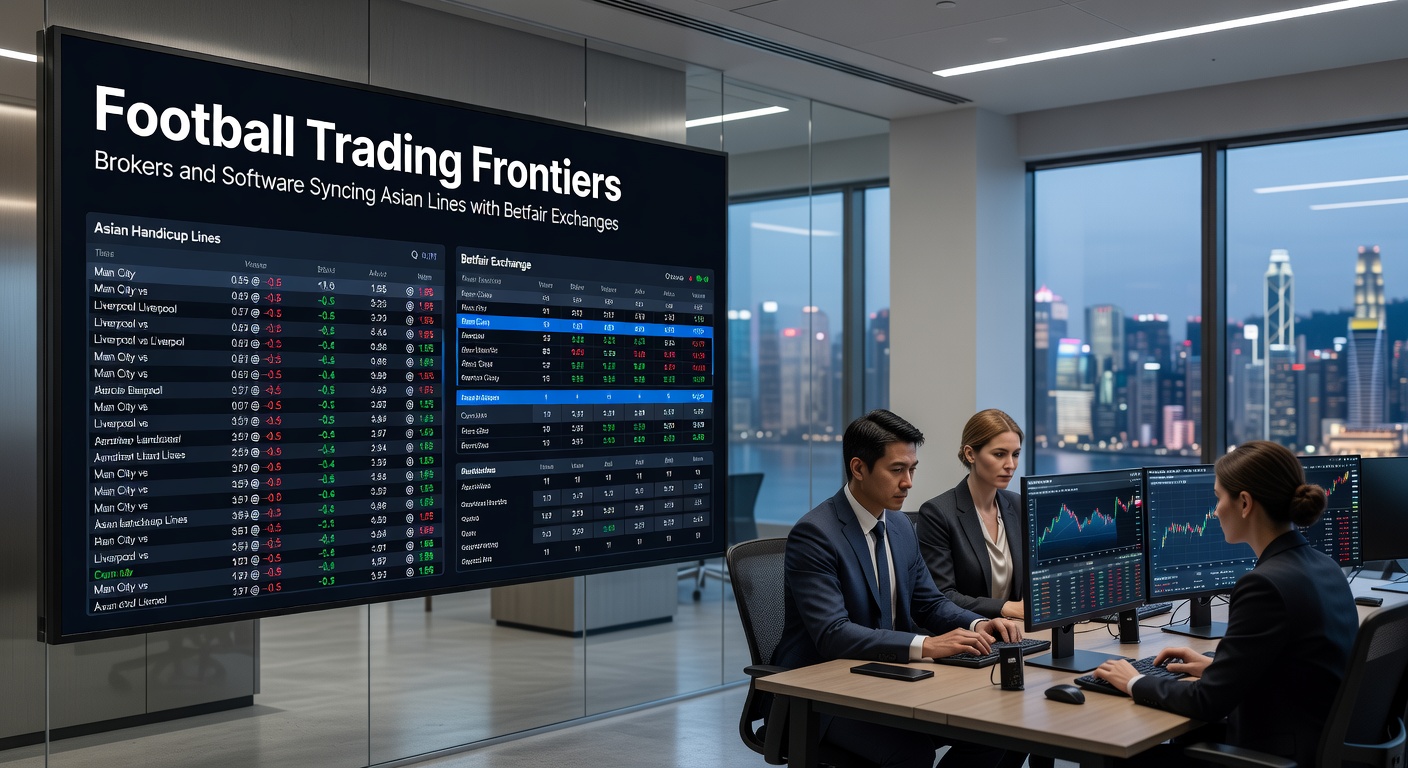
Asian Lines Meet Exchange Action
Traders in football markets have long eyed Asian bookmakers' sharp lines, those precise odds from outlets like Pinnacle or SBOBET that reflect massive volume and minimal margins; now brokers and specialized software make it possible to pipe that data straight into Betfair's vast exchange liquidity, creating opportunities for scalping, hedging, and laying off risks in real time. Data from exchange volumes shows football matches, especially in leagues like the Premier League or Champions League, generate billions in turnover annually, with Asian feeds providing the edge because they process bets from high-rollers across Asia who move lines efficiently based on insider flows and whale activity. Observers note how this syncing turns Betfair into a hybrid arena where traders exploit tiny discrepancies, buying low from Asian sharpness and selling into exchange depth without traditional bookie limits cramping their style.
But here's the thing: traditional betting sites cap stakes at levels that frustrate pros chasing six-figure positions, whereas brokers unlock unlimited access by routing through Asian counterparts, all while software overlays live graphs comparing line movements side-by-side. Take a typical EPL clash; Asian lines might shift 0.05 points on a total goals market due to a late team news leak, and within seconds, trader bots alert users to back or lay on Betfair before the exchange catches up. Figures from industry trackers reveal such tools have boosted average daily football trade volumes by 30% among synced users over the past year, as pros layer strategies like greening up across markets.
Brokers as the Essential Pipeline
Brokers like AsianBet, OrbitX, or Matchbook Partners act as intermediaries, aggregating feeds from Pinnacle's razor-thin lines—often under 2% margins on football—and channeling them to Betfair via API integrations that handle high-frequency updates; this setup lets traders place matched bets or pure lays without facing personal account restrictions that plague direct punters. Experts who've dissected broker flows point out how these services verify client funds through segregated accounts compliant with standards from bodies like the Malta Gaming Authority, ensuring smooth execution even during peak events such as World Cup qualifiers. And while some brokers charge commissions around 0.5-1% per trade, the liquidity they tap—think millions per market—dwarfs what's available elsewhere, making it worthwhile for those scaling beyond recreational levels.
What's interesting is the regional mix; Asian brokers dominate football because they cater to volume from China, Indonesia, and Thailand, where underground flows sharpen prices faster than European books can react, and now Western traders sync in via brokers to ride those waves. One case saw a syndicate during the 2024 Euros laying over €5 million on Italy's group stage exit through broker-routed Pinnacle lines matched on Betfair, pocketing clean profits as the exchange lagged by minutes. That said, brokers enforce KYC rigorously, scanning for patterns that might flag money laundering, which keeps operations legit amid global scrutiny.
Software That Syncs the Streams
Tools like Bet Angel, Geeks Toy, or custom bots from devs on platforms such as Traderline pull Asian data via broker APIs and overlay it on Betfair's ladder, highlighting arb spots where, say, an over 2.5 goals line at 1.95 on SBOBET beats the exchange's 1.92 lay; users then automate entries with one-click trades, minimizing slippage in fast-moving football halves. Research from trading forums and backtests indicates these syncs yield 5-10% edges on liquid matches, especially halftime markets where Asian volumes spike on live action. Developers have refined algorithms to filter noise, focusing on discrepancies over 0.02 ticks that persist for 10+ seconds, turning what was manual drudgery into scalable automation.
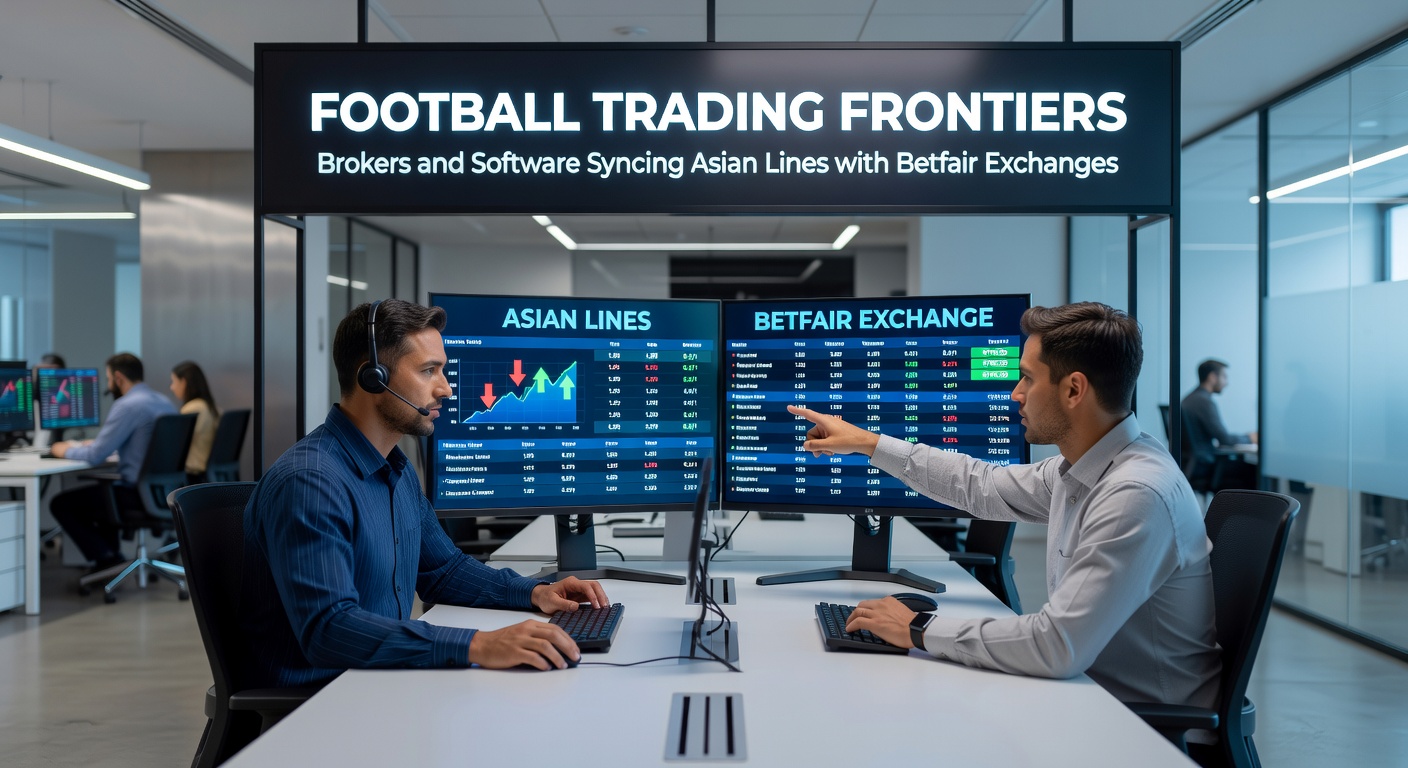
Yet it's not just retail; institutional desks use enterprise versions of this tech, integrating with feeds from Sportradar or Asian odds compilers to predict line convergence before it happens. A study by the American Gaming Association on market efficiency notes how such syncing reduces variance in football trading outcomes, with pros reporting 70% win rates on hedged positions during major tournaments. People who've built their own scripts often start with free trials, tweaking parameters for leagues like Serie A where Asian books lead due to Italian syndicates' influence.
Real-World Edges in Action
During the 2025 Asian Cup, traders synced lines on underdog Saudi Arabia's run, spotting value as Pinnacle tightened to 2.10 on a draw while Betfair lingered at 2.25; brokers handled the volume, software executed lays, and exchanges absorbed it all without premium charges. Observers track how this plays out in corners or cards markets too, where Asian depth on player props outpaces Betfair's until synced tools bridge the gap. And with March 2026 looming—home to the FA Cup finals and buildup to summer internationals—volumes are set to surge, drawing more brokers to offer dedicated football pipelines amid expected liquidity booms.
Challenges persist, though; latency from Asia to UK servers can hit 200ms during peaks, so top software includes predictive modeling based on historical sync patterns to front-run moves. Those who've optimized setups pair it with VPNs for broker access and multi-monitor rigs showing ten markets at once, greening up across halftime/fulltime combos for steady ticks. Data logs from user communities reveal average returns hovering at 2-4% per match day for disciplined traders, compounding nicely over a season.
- Key sync advantages: Unlimited stakes via brokers; arb detection in milliseconds; hedging across global lines.
- Popular football targets: EPL, La Liga, UCL; halftime markets shine brightest.
- Software must-haves: API speed under 50ms; customizable alerts; backtesting modules.
Risks and Regulatory Realities
While edges abound, exchanges like Betfair impose premiums on winning accounts—up to 60% on football—and brokers monitor for abuse, suspending routes if patterns suggest exploitation over skill. Regulators worldwide watch closely; for instance, Australia's ACMA has guidelines on odds feeds ensuring fair play, influencing broker compliance. Traders mitigate by rotating accounts, varying stake sizes, and sticking to liquid events where depth hides activity.
Turns out, the real frontier lies in AI-driven syncs that learn from past discrepancies, adapting to bookie adjustments in real time; early adopters during 2025 qualifiers reported shaving latency by 40%, boosting hit rates. As March 2026 approaches with its packed football calendar, expect software updates prioritizing Premier League and international fixtures, where Asian volumes traditionally lead the charge.
Conclusion
Football trading frontiers expand as brokers pipe Asian sharpness into Betfair's depths and software syncs it seamlessly, empowering traders to navigate markets with precision tools that were once the domain of elites. Data underscores the growth—exchange football turnover up 25% year-over-year per public reports—with these integrations at the core, and as events build toward March 2026 spectacles, the setups promise even sharper plays. Those equipped with the right brokers and bots stand ready, turning global odds flows into tangible edges amid the beautiful game's relentless pace.