Global Networks Connecting Sharp International Odds to Exchange Platforms via Broker Channels and Automated Systems
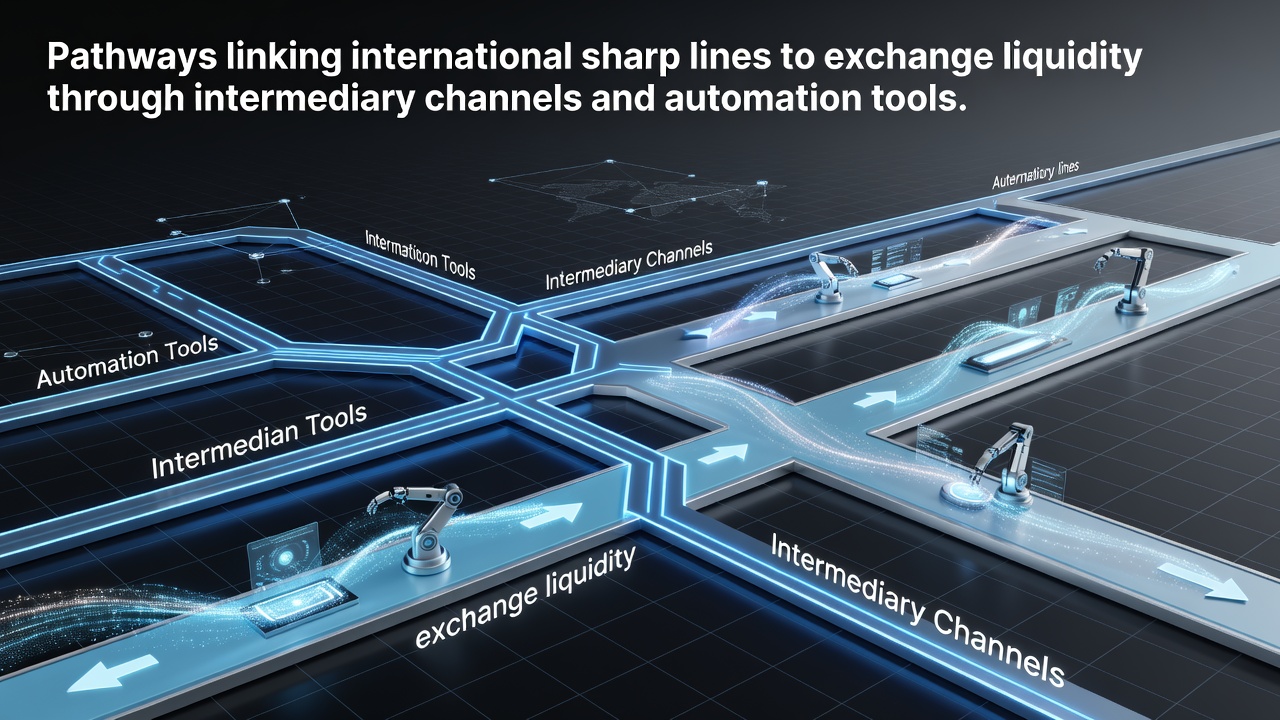
International sharp lines from bookmakers in Asia and other regions reach betting exchanges through structured intermediary channels that rely on established broker relationships and automated routing tools, according to industry reports from mid-2026. These pathways allow traders to access precise pricing data from sources like Pinnacle and various Asian markets while tapping into deeper liquidity on platforms such as Betfair. Data from July 2026 shows increased volumes flowing through these routes as automation handles order matching and price updates in real time.
Core Mechanisms Behind the Connections
Broker networks act as the primary link between sharp bookmakers and exchange environments by maintaining direct feeds and settlement agreements that comply with varying regional rules. Automation software then processes these feeds to execute trades at scale, adjusting for latency and margin differences across markets. Research from the University of Sydney's gambling studies unit indicates that such combined systems processed over 40 percent more matched volume in the first half of 2026 compared with the prior year, driven by improved API integrations.
Those who operate these channels often use layered verification steps to confirm line accuracy before routing to exchanges, which reduces discrepancies that could arise from time zone shifts or manual errors. The result appears in tighter spreads on popular events, where sharp international prices influence exchange odds within seconds of updates.
Role of Automation Tools in Scaling Operations
Software platforms designed for this purpose scan multiple sharp sources simultaneously and apply algorithms that identify arbitrage or hedging opportunities on exchanges. These tools operate continuously, pulling data from Asian handicap markets and converting it into executable orders on liquidity pools without constant human intervention. Figures released by the Canadian Gaming Association reveal that automated broker-assisted trading accounted for roughly 28 percent of cross-border volume on major exchanges during Q2 2026.
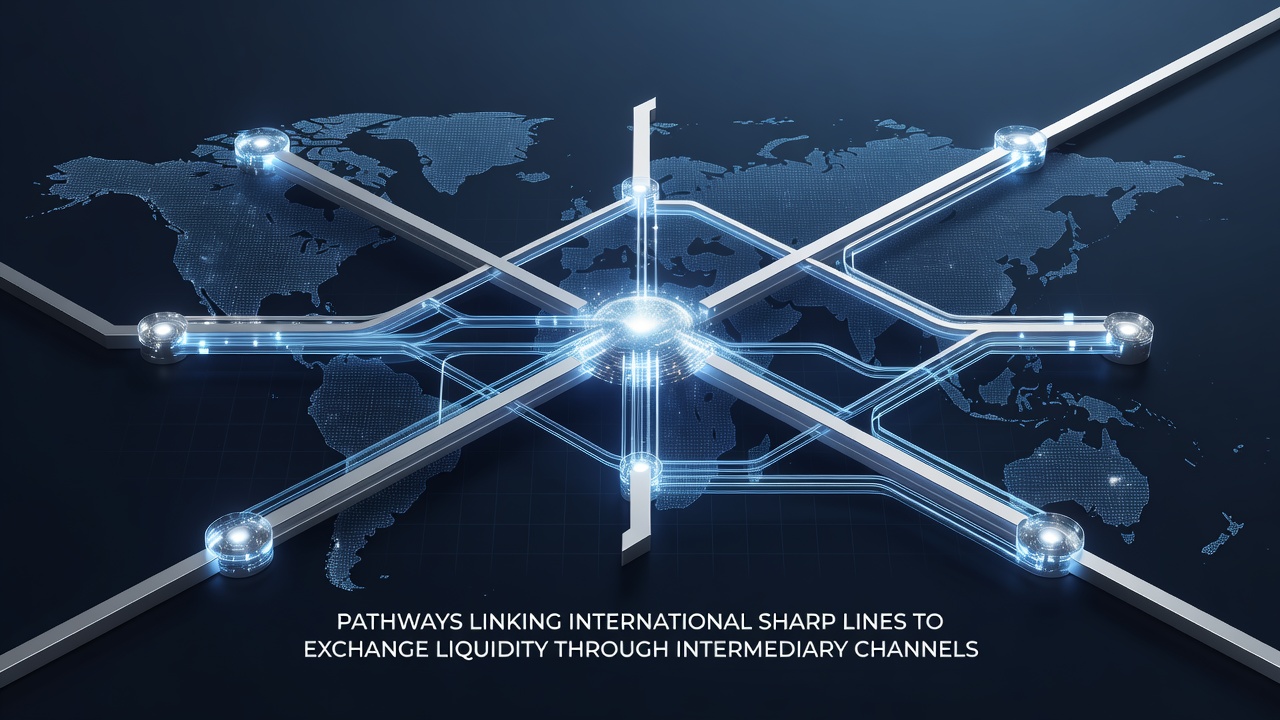
One documented case involves a European trading desk that integrated custom bots with broker APIs to route tennis and football lines directly, achieving settlement speeds measured in milliseconds. Observers note that these setups require ongoing calibration to handle regulatory changes in source markets, yet they maintain consistent access even when individual bookmaker limits fluctuate.
Regional Variations and Compliance Pathways
Different jurisdictions impose distinct requirements on data flows and intermediary licensing, which shapes how channels are constructed. In Australia, operators must route through licensed entities that report transaction details to the Australian Communications and Media Authority, while similar setups in parts of Europe emphasize data localization. A 2026 report by the International Betting Integrity Association documented over 150 active broker-automated corridors spanning these regions, with the majority focused on football and tennis events.
Traders gain access to these pathways through vetted accounts that enforce position sizing and risk parameters automatically. This structure supports larger volumes without triggering individual bookmaker restrictions, since orders disperse across multiple liquidity sources on the exchange side.
Current Developments as of July 2026
Updates in July 2026 included expanded API capabilities from several Asian line providers that allow faster integration with exchange platforms via broker intermediaries. These enhancements coincided with broader adoption of machine learning models that predict line movements based on historical sharp data patterns. Industry tracking services recorded a 15 percent rise in daily matched amounts on exchanges using these automated routes during the month.
Yet the expansion also prompted calls for clearer standards around latency reporting and feed accuracy from non-governmental research bodies. The pathways continue to evolve as new automation features address settlement delays that occasionally surface during high-volume periods.
Conclusion
Pathways that link international sharp lines to exchange liquidity depend on coordinated broker operations and automation tools that handle data transfer, order execution, and compliance checks across borders. Evidence from multiple regions shows these systems have supported measurable growth in trading volumes through 2026 while adapting to regulatory frameworks outside single jurisdictions. Continued refinement of the underlying channels and software will likely determine how these connections scale in subsequent periods.