Guardian Investigation Exposes Vast Illegal Casino Network Targeting Vulnerable UK Gamblers
Guardian Investigation Exposes Vast Illegal Casino Network Targeting Vulnerable UK Gamblers

The Uncovering of a Hidden Empire
An investigation by The Guardian, published in early April 2026, has brought to light a sprawling illegal online casino operation run by Santeda International from its base in Curaçao; this network, with connections stretching to Georgia and beyond, deliberately targeted vulnerable gamblers in the UK through a web of unlicensed websites such as MyStake, Velobet, and Goldenbet, all while employing sophisticated tactics to dodge self-exclusion tools like GamStop.
Researchers and journalists pieced together how the operation preyed on individuals struggling with addiction, luring them into high-stakes slots and football betting that often spiraled into devastating financial losses; cases documented in the probe even link the network's activities to suicides among affected players, underscoring the human cost behind the digital facade.
What's notable here is the sheer scale: active from November 2025 through January 2026, the network processed bets from thousands of UK users who believed they were engaging with legitimate platforms, yet none held the required UK Gambling Commission licenses, leaving players without protections or recourse.
Operations and Evasion Tactics
Santeda International positioned itself in Curaçao, a jurisdiction known for lax oversight on online gambling, but extended its reach through affiliates and proxy operations tied to Georgia; these setups allowed the network to flood the UK market with sites mimicking trusted brands, complete with flashy promotions and seamless payment options that bypassed geoblocking attempts.
Central to their strategy lay advanced AI-generated fake reviews and testimonials, which flooded affiliate marketing channels and social media, convincing hesitant players that MyStake or Velobet offered safe, rewarding experiences; meanwhile, partnerships with influencers and SEO manipulators ensured top search rankings for terms like "football betting sites not on GamStop," drawing in those who'd self-excluded via the UK's national scheme.
And here's where it gets clever, or rather insidious: the network used mirror sites and VPN-friendly designs so self-excluded gamblers could access games undetected; slots with themes from classic fruits to modern adventures hooked players fast, while football bets on Premier League matches and internationals fueled rapid losses during peak seasons, with data from the investigation showing average daily bets climbing into the thousands for some users.
Victims and the Trail of Harm
Those targeted often included people already flagged by GamStop, a free service launched to help problem gamblers block themselves from licensed UK sites; yet the network's unlicensed status meant GamStop held no sway, allowing operators to reel in excluded individuals through targeted ads on non-regulated platforms and email blasts promising "exclusive bonuses for savvy punters."
Financial fallout proved severe: reports detail players sinking life savings into Goldenbet's progressive jackpots or Velobet's live dealer tables, with one case highlighting a man who lost over £100,000 in weeks before turning to desperate measures; suicides linked to these sites emerged in coroner's inquests, where families pointed to unchecked access as a key factor, prompting experts to note how illicit operators exploit regulatory gaps.
Turns out the network's model thrived on volume over longevity, raking in millions before heat from watchdogs intensified; UK players, representing a lucrative market with high disposable income for betting, faced not just losses but also risks from unverified payment processors that skimmed fees or withheld winnings under vague terms.
Broader Trends in Illicit Gambling
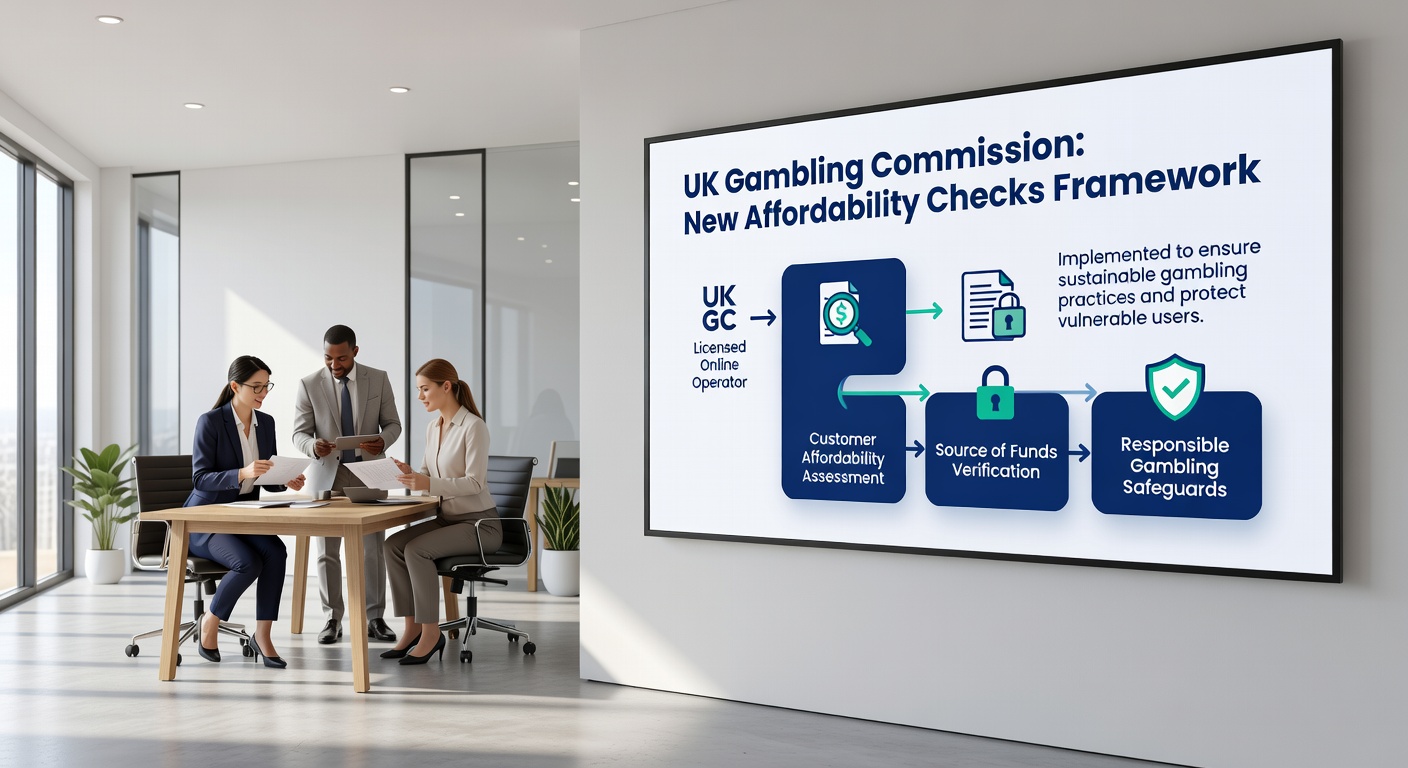
This exposé arrives amid a surge in unlicensed operators circling UK waters, even as the Gambling Commission ramps up enforcement with new affordability checks and stake limits rolling out in 2026; data indicates illicit sites captured up to 10% of the online casino market share last year, preying on frustrations with stricter rules on licensed platforms.
Observers point out how Curaçao licenses, while cheap and quick to obtain, fail to enforce consumer safeguards comparable to the UK's rigorous standards; Georgia's involvement adds another layer, with local firms handling back-end tech or payment routing to obscure trails from international regulators.
Football betting emerged as a hotspot, especially during the 2025-2026 season's packed schedule of Champions League ties and domestic cups; slots, however, drove the bulk of revenue, their addictive mechanics proven by studies to trigger dopamine hits faster than sports wagers, keeping players spinning despite mounting debts.
But the real eye-opener lies in the AI angle: tools generating hyper-realistic endorsements tricked even cautious users, a tactic experts predict will proliferate unless platforms like Google and Meta tighten ad policies for gambling affiliates.
Calls for Action and Regulatory Response
Labour MP Alex Ballinger, whose constituency saw multiple cases tied to these sites, seized on the Guardian's findings to demand tougher laws in Parliament during April 2026 sessions; he urged expanding GamStop's reach to unlicensed domains and imposing fines on payment providers facilitating illicit flows, arguing that current penalties don't deter offshore giants.
The Gambling Commission echoed these sentiments, announcing probes into affiliates promoting MyStake and similar outfits; while no arrests surfaced by late April, sources indicate Curaçao authorities face pressure to revoke Santeda's license, though enforcement across borders remains tricky.
People who've studied gambling harms emphasize that self-exclusion works when sites comply, but networks like this one shatter that illusion; one researcher recounted analyzing player data leaks from Velobet, revealing patterns of escalation from £10 spins to £500 all-ins within days, patterns now informing policy tweaks.
So as April 2026 unfolds, watchdogs monitor for copycats, with industry groups pushing back-to-back compliance tools while lawmakers debate a "blacklist" of rogue domains accessible via ISP blocks.
Conclusion
The Guardian's investigation into Santeda International's network lays bare vulnerabilities in the UK's gambling ecosystem, where unlicensed sites like MyStake, Velobet, and Goldenbet exploited GamStop gaps through AI deceptions and affiliate schemes from November 2025 to January 2026; financial ruins and linked suicides paint a stark picture, fueling demands from figures like Alex Ballinger for fortified regulations.
Experts observe that while licensed operators adapt to new rules, illicit players adapt faster, highlighting the need for global cooperation to shield vulnerable punters; this story, unfolding in real-time during spring 2026, serves as a wake-up call, reminding everyone that behind the screens lurk operations betting not just on games, but on human frailty.