Intermediary Networks Conveying Asian Odds Adjustments to Exchange Trading Participants

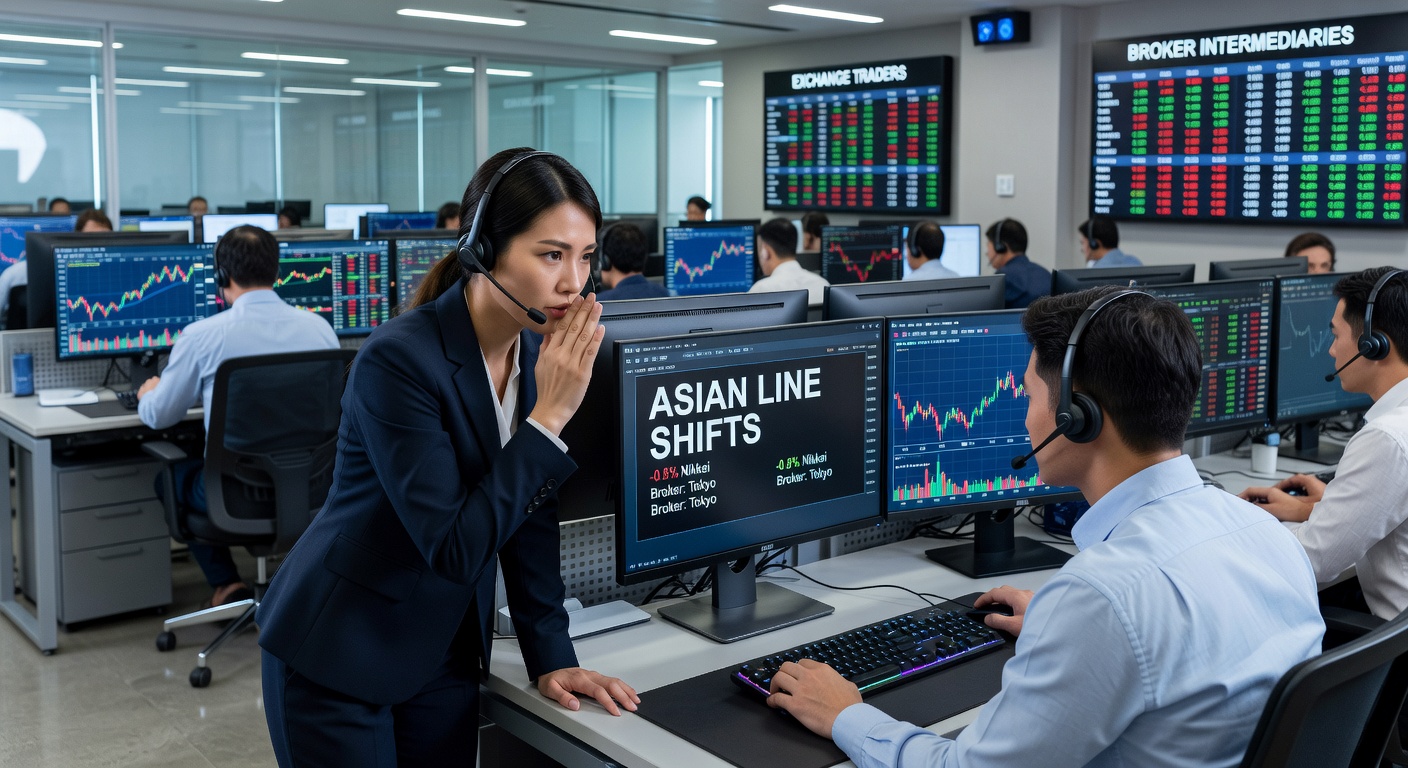
Asian bookmaker line movements reach traders on betting exchanges through structured broker channels that compile and transmit real-time adjustments from offshore markets. These shifts often reflect large wagers placed in Asian territories where liquidity concentrates on football, tennis, and basketball events. Brokers aggregate data from multiple Asian sources and deliver summarized feeds that exchange participants use to adjust positions or identify discrepancies between platforms.
Market observers note that line changes originating in Hong Kong, Singapore, and Malaysian betting outlets frequently precede movements on European exchanges by several minutes. This timing advantage stems from the volume of professional money placed in Asia where limits remain higher and restrictions on account activity differ. Brokers serve as the connection point by monitoring these feeds and routing selected updates to clients who operate on exchanges such as Betfair and Smarkets.
Mechanics of Data Transmission Through Broker Systems
Broker operations rely on direct relationships with Asian operators that provide odds streams via API connections or dedicated terminals. When a line moves because of substantial action on one side of a match, the broker platform records the change and calculates its potential impact on exchange prices. Traders receive these notifications through software dashboards that highlight deviations exceeding preset thresholds. Systems flag instances where Asian totals or handicaps diverge from current exchange odds by more than a defined margin, allowing rapid position entry or exit.
Researchers studying market efficiency have tracked how these intermediary services reduce information gaps between regions. Data compiled by the European Gaming and Betting Association shows consistent patterns where Asian adjustments on major league fixtures influence exchange liquidity within narrow time windows. The process involves multiple layers of verification because brokers cross-reference several Asian sources before distributing alerts to avoid isolated errors from single operators.
Integration with Automated Trading Tools
Many exchange participants combine broker feeds with custom algorithms that execute trades once specific Asian line criteria appear. These tools scan incoming signals and compare them against live exchange order books to determine whether an arbitrage or hedging opportunity exists. In May 2026, updates to broker software introduced enhanced filtering options that separate sharp Asian moves from recreational betting noise. This refinement helped traders focus on movements backed by professional accounts rather than public action.
Software stacks used in these setups often include synchronization modules that align Asian timestamps with exchange data feeds. The result is a unified view where traders see both the originating Asian price and the corresponding exchange market depth. Observers note that such integration has become standard among higher-volume participants who manage positions across multiple events simultaneously.
Regional Variations in Line Movement Patterns
Asian markets exhibit distinct behaviors depending on the sport and time of day. Early morning shifts on European football matches frequently originate from overnight activity in East Asian time zones where syndicates operate. Brokers track these overnight adjustments and provide summaries that traders review before major European markets open. Tennis and basketball lines show different rhythms because Asian operators adjust totals more aggressively when player news emerges from overnight sources.
Those who monitor these patterns report that broker intermediaries add context by indicating whether a line movement stems from injury information, weather factors, or pure betting volume. This added layer helps exchange traders decide whether to follow the move or take the opposing side once liquidity arrives on the exchange. Academic studies on cross-market price discovery have examined similar information flows in other asset classes and found parallel structures where intermediaries accelerate the spread of pricing signals.
Regulatory Context Across Jurisdictions
Operators and brokers function within frameworks established by authorities in Malta, Australia, and parts of North America. The Malta Gaming Authority maintains oversight of certain intermediary services while Australian regulators monitor compliance for platforms serving domestic clients. Industry reports from these regions document how brokers maintain audit trails of the data they transmit to satisfy transparency requirements.
Compliance measures include record-keeping on source verification and client communication protocols. These practices ensure that transmitted Asian line information meets standards for accuracy before reaching exchange traders. Participants who use these services operate under their own jurisdictional rules that govern exchange trading activity.
Conclusion
Broker intermediaries continue to serve as the primary conduit for Asian line shifts reaching exchange traders. The established processes combine direct data connections, verification layers, and software integration that together support informed decision-making on exchange platforms. Ongoing developments in filtering technology and cross-regional monitoring indicate that these channels will maintain their role in connecting offshore market movements with exchange liquidity.