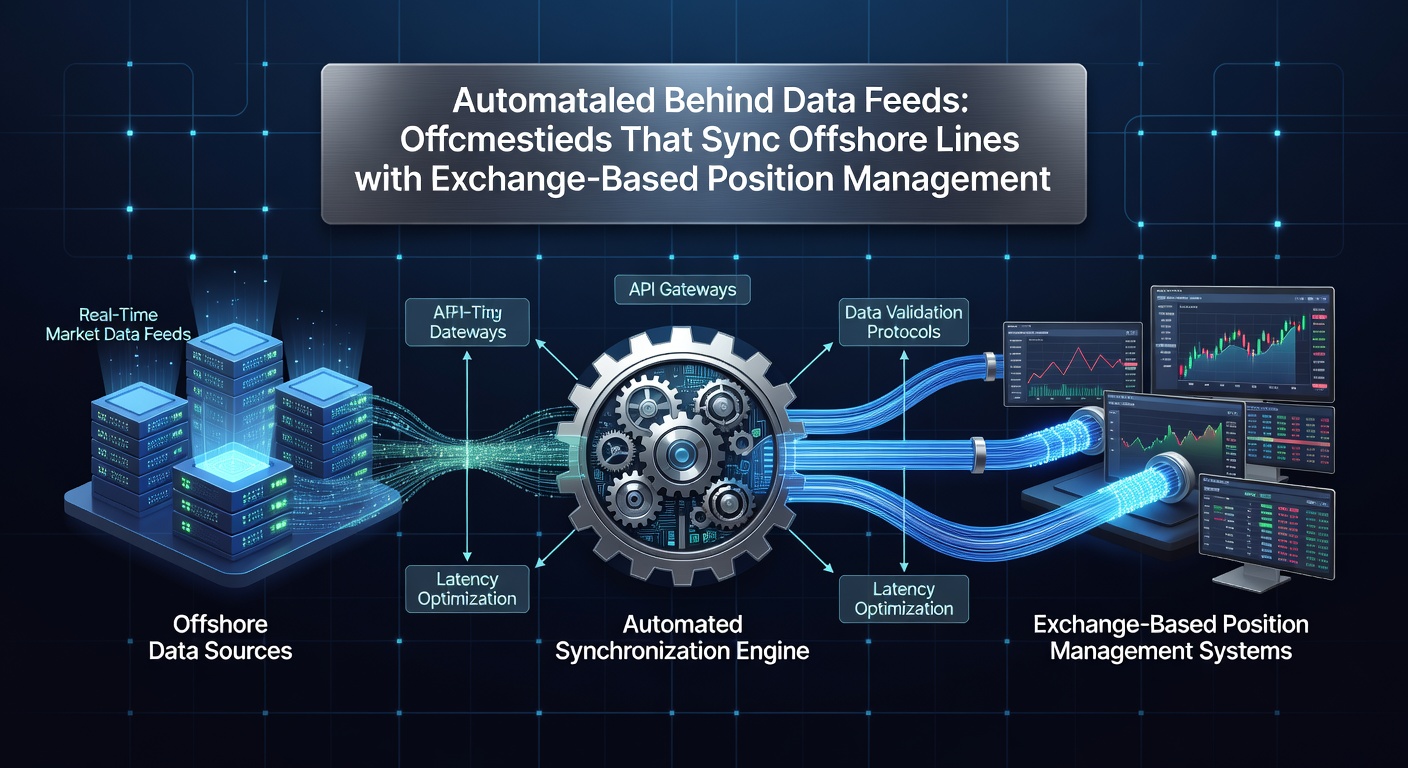
Mechanics of Automated Synchronization Between Offshore Markets and Exchange Position Systems
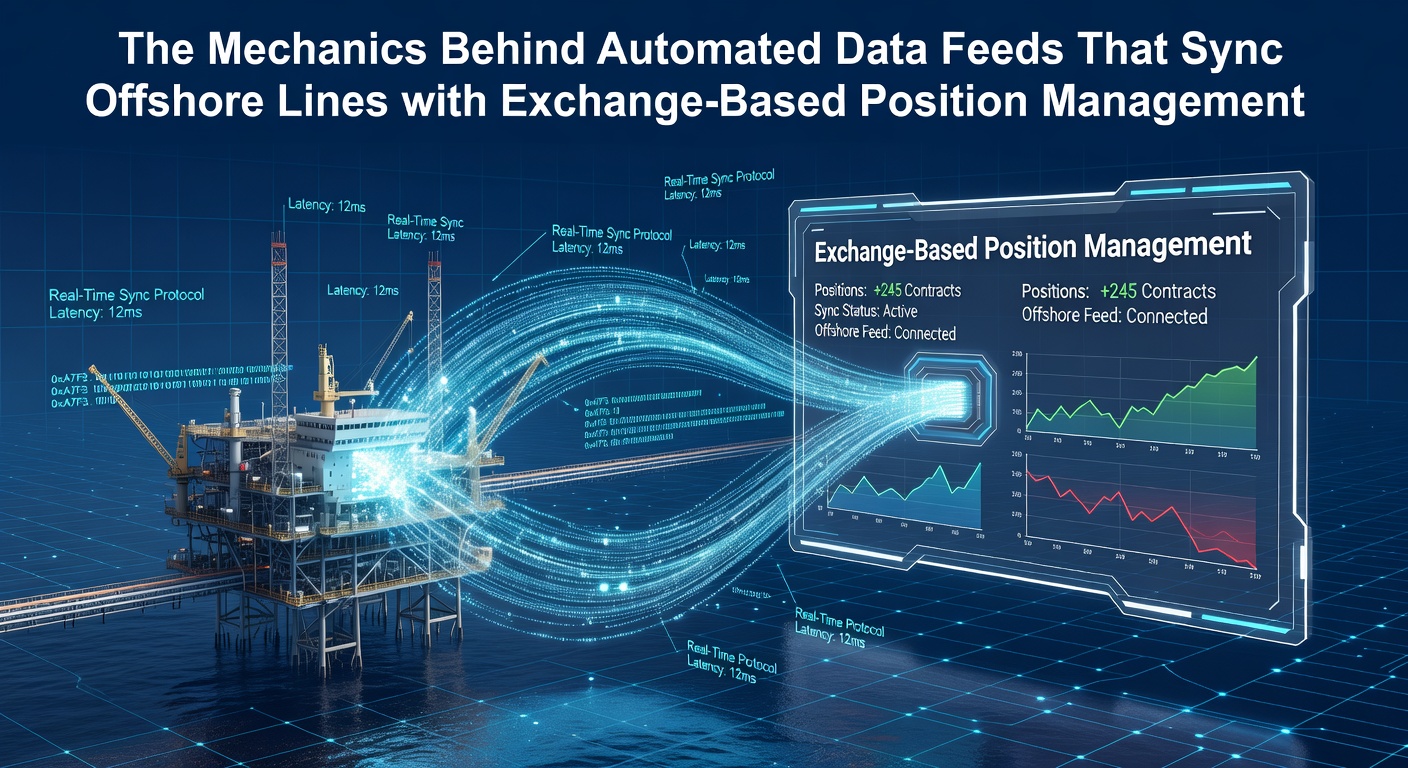 The process begins with raw data streams pulled directly from offshore bookmakers such as Pinnacle and various Asian operators that publish sharp lines on major sports markets. These feeds arrive through secure API connections that deliver updates every few seconds during peak trading periods while slower intervals apply outside live events. Software layers then parse incoming odds, convert them into standardized formats and route the information toward exchange platforms where traders maintain open positions. Position management tools on exchanges like Betfair rely on constant recalibration of exposure across multiple outcomes. Automated systems compare incoming offshore prices against current exchange levels to identify discrepancies that trigger adjustments in stake sizes or hedge orders. Algorithms calculate implied probabilities from the offshore numbers and cross-reference them against available liquidity on the exchange side before executing any changes. Data integrity checks run continuously inside these pipelines. Timestamp verification prevents the use of stale figures while volume filters discard outliers that might stem from temporary liquidity gaps on the offshore side. Error-handling routines reroute traffic through backup endpoints when primary connections drop so traders experience minimal interruption.
Core Components of the Synchronization Process
Several distinct modules handle different stages of the workflow. The ingestion layer receives raw feeds through authenticated sockets or REST endpoints depending on the provider specifications. Transformation engines then normalize currency values, apply decimal rounding rules and map market identifiers across platforms that use incompatible naming conventions. Matching logic sits at the heart of the operation. It scans offshore line movements for triggers such as a shift of 0.05 or greater in decimal odds and immediately queries the exchange for corresponding contract availability. When alignment occurs the system calculates required position deltas based on pre-set risk parameters entered by the trader or fund manager. Execution modules place or cancel orders through the exchange API while logging every action for compliance records. Observers note that successful implementations often incorporate latency monitoring that pauses activity if round-trip times exceed predefined thresholds during high-volatility periods.