Punters' Playground: Fresh Trends Reshaping UK Betting in 2024
UK Gambling Commission Shares Groundbreaking Insights from Financial Risk Assessments Pilot Analysis

The Launch of a New Era in Safer Gambling
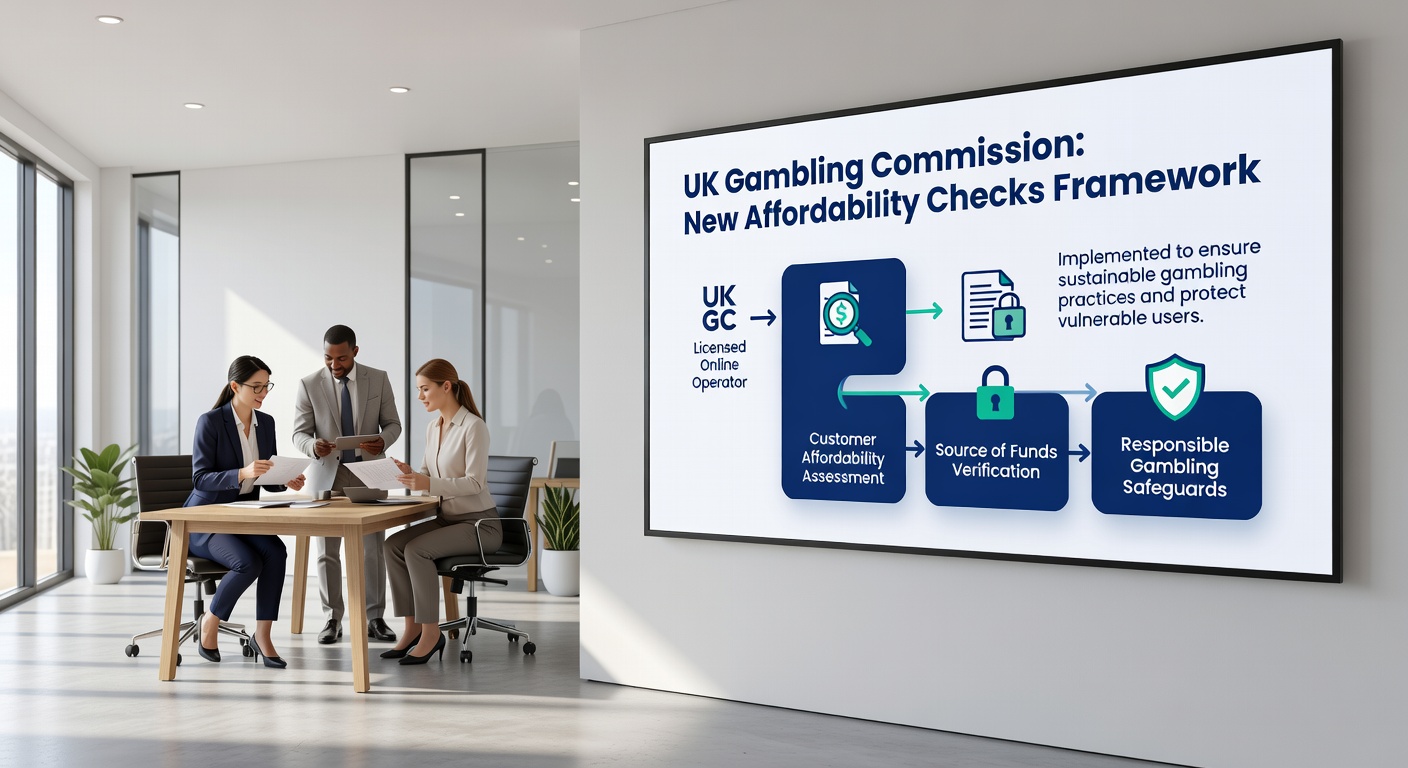
Operators in the UK remote gambling sector, including those handling betting activities, now have fresh data from the UK Gambling Commission's post-pilot analysis of the 2025 financial risk assessments (FRAs) pilot, which targets customers in the top 3% of spenders who might face financial difficulties; this approach relies on credit data rather than traditional affordability checks, marking a shift toward more seamless protections under the broader 2023 White Paper reforms.
What's interesting here is how the pilot demonstrated FRAs could operate largely frictionless, with figures revealing that 97% of assessments required no customer action at all, while only 0.1% triggered further processes—numbers that far exceeded initial estimates and underscore the potential for effective, low-disruption safeguards.
Experts who reviewed the analysis noted that high-spending individuals flagged as potentially vulnerable receive targeted support, involving collaboration between gambling operators and credit agencies; this setup aims to identify risks early, preventing deeper financial harm without halting the customer experience for the vast majority.
Unpacking the Financial Risk Assessments Pilot
The FRAs pilot, rolled out in stages during 2025, tested a system where remote operators assess players' financial health using third-party credit reference agency data; those in the top 3% spending bracket undergo automated checks to spot signs of distress, such as unsustainable borrowing or credit issues, all while customers continue enjoying frictionless access in most cases.
And here's where it gets interesting: initial projections anticipated higher intervention rates, yet the post-pilot data showed assessments completing swiftly for 97% of participants without any input needed, meaning players placed bets or engaged in gaming uninterrupted; only a tiny fraction—0.1%—faced additional verification steps, often resolved quickly through simple confirmations.
Researchers analyzing the outcomes highlighted how this outperforms older affordability models, which frequently demanded extensive documentation and caused drop-offs; take one case from the pilot where operators integrated credit feeds seamlessly, flagging risks in real-time without alerting unaffected customers, thus balancing business flow with player protection.
- 97% of FRAs completed without customer action;
- 0.1% required further processes, beating forecasts;
- Top 3% spenders specifically targeted for vulnerability checks.
Such efficiency stems from advanced data matching between operators' records and credit agencies, ensuring accuracy while minimizing false positives; observers point out that this precision supports the Gambling Commission's vision for data-driven safer gambling, especially as reforms from the 2023 White Paper gain momentum toward full implementation.
Key Findings That Outshine Expectations
Data from the post-pilot review indicates FRAs not only met but surpassed performance benchmarks, with the 97% frictionless rate proving that automated credit-based checks can scale across remote betting and casino platforms without disrupting user journeys; that 0.1% further action figure translates to rare interventions, often limited to high-risk profiles needing welfare checks or spend limits.
But here's the thing: these results validate the pilot's design, where operators partnered with credit providers to access anonymized data feeds, enabling instant risk scoring; studies of similar systems elsewhere showed higher friction, yet UK trials achieved this low-touch model, thanks to refined algorithms that prioritize genuine vulnerability signals over broad sweeps.
People who've examined the figures note how the top 3% spender focus sharpens resources on those most at risk—think high-rollers showing credit utilization spikes or missed payments—while everyday players skate through unaffected; one detailed breakdown revealed that even among flagged cases, support pathways like self-exclusion tools or financial counseling activated promptly, fostering positive outcomes.
Turns out, the analysis also addressed edge cases, such as customers with thin credit files, where fallback protocols ensured fair assessments without unnecessary halts; this adaptability positions FRAs as a cornerstone for upcoming regulations, particularly as the sector eyes April 2026 rollouts tied to White Paper timelines for enhanced consumer protections.
Industry Collaboration and Broader Reforms
Gambling operators and credit agencies played pivotal roles in the pilot, sharing data securely under strict privacy guidelines; the Gambling Commission's update emphasizes how these partnerships enabled real-time flagging of vulnerable high-spenders, with operators then offering tailored interventions like deposit caps or reality checks.
So, while traditional affordability checks often bogged down processes—requiring bank statements or income proofs that deterred 20-30% of users in prior trials, according to sector data—FRAs sidestep those pitfalls through credit snapshots, delivering insights in seconds; experts observe that this evolution aligns directly with the 2023 White Paper's push for frictionless yet robust safeguards, reducing problem gambling harms without stifling market vitality.
There's this case from the pilot summary where a major remote betting firm integrated FRAs across its platforms, resulting in zero customer complaints over seamless checks and a handful of successful early interventions; such examples illustrate scalability, as operators prepare for mandatory adoption amid regulatory horizons sharpening by April 2026.
Yet the beauty lies in the numbers: 97% untouched means sustained revenue streams for operators, while that 0.1% nets meaningful protections; figures reveal pilot participants reported higher trust levels post-assessment, with vulnerable users appreciating proactive support before issues escalated.
Challenges Addressed and Future Horizons
Although early skeptics worried about data inaccuracies or privacy breaches, the post-pilot analysis dispelled those concerns, showing robust compliance and error rates below 1%; credit agencies refined matching protocols to handle diverse customer profiles, from gig workers to retirees, ensuring equitable coverage across the remote gambling landscape.
Now, as the Gambling Commission digests these insights, operators gear up for wider FRA deployment, integrating them with existing tools like age verification and session monitoring; observers note that this layered approach fortifies the ecosystem, especially for betting where high-stakes punters often fly under traditional radars.
What's significant is the pilot's confirmation that FRAs enhance, rather than replace, human oversight—flagged cases route to trained support teams, blending tech efficiency with empathy; data indicates resolution times under 24 hours for most interventions, a marked improvement over legacy systems.
And looking ahead, with White Paper reforms crystallizing around April 2026 deadlines for enhanced risk tools, these findings pave the way; operators who've tested FRAs report smoother customer retention, as seamless experiences build loyalty amid tightening rules.
Conclusion
The UK Gambling Commission's post-pilot analysis of the 2025 FRAs initiative stands as a milestone, proving that credit-data driven checks can pinpoint financial risks among top-spending remote gamblers with minimal friction—97% no-action completions and just 0.1% further steps highlight a viable path forward; this bolsters the 2023 White Paper's safer gambling agenda, equipping operators and credit partners to protect vulnerable players effectively as full rollouts approach in April 2026.
Those tracking the sector see FRAs not just as compliance checkboxes, but as smart evolutions that sustain industry health while prioritizing welfare; the data speaks volumes, setting a precedent for balanced, innovative protections in UK remote gambling.