Reconciliation Algorithms: Connecting Asian Bookmaker Feeds to Exchange Account Integrity
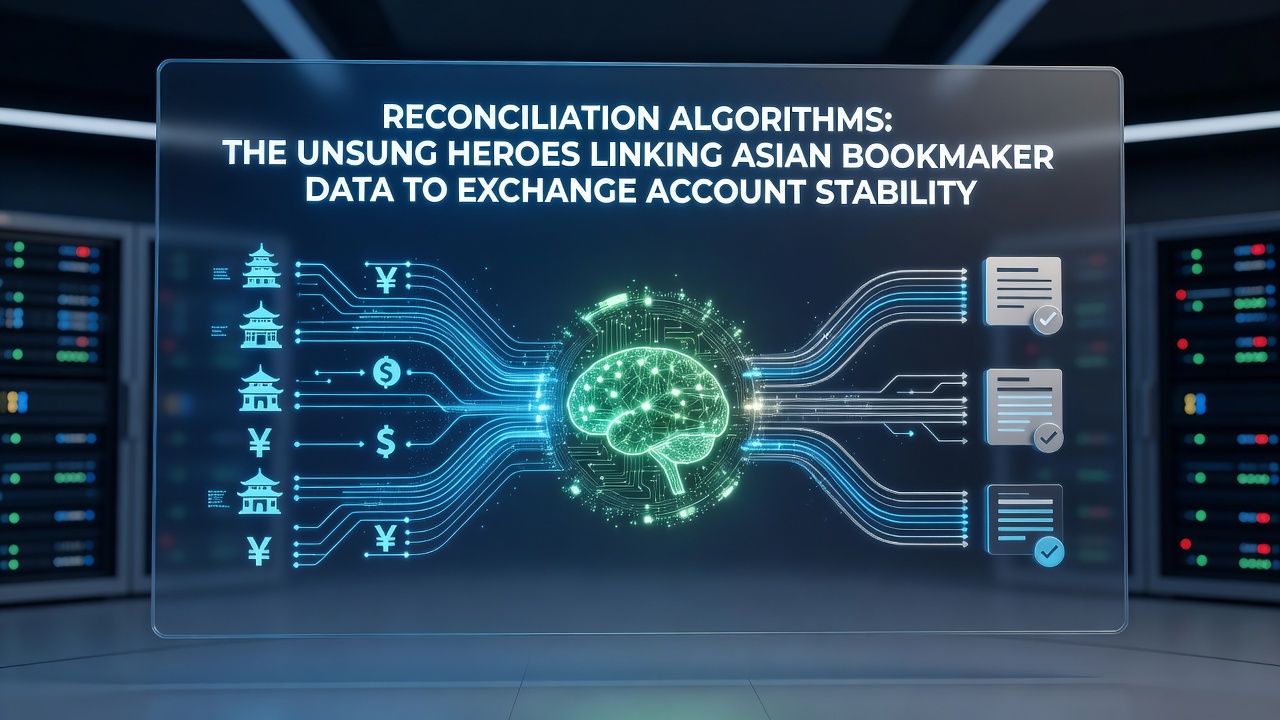
Reconciliation algorithms operate behind the scenes in sports trading environments where Asian bookmaker data meets exchange platforms, and these systems handle the continuous alignment of odds, stakes, and account balances across multiple sources. Data streams from operators such as Pinnacle arrive with sharp lines that reflect high-volume Asian market activity while exchange platforms like Betfair maintain their own liquidity pools, and algorithms detect discrepancies before they affect trader positions or trigger margin calls.
Core Functions of Reconciliation Systems
These algorithms scan incoming feeds at millisecond intervals, compare Asian handicap and total lines against exchange order books, and flag variances that exceed predefined thresholds. When a Pinnacle soccer line moves from -0.75 to -1.0 while the corresponding Betfair market lags, the system logs the delta, adjusts synthetic positions, and updates account exposure calculations in real time. Researchers at institutions studying algorithmic finance note that such synchronization reduces settlement errors by cross-referencing timestamps, currency conversions, and liquidity depth indicators simultaneously.
Account stability depends on accurate position tracking because unmatched or mispriced entries can distort available margin and risk parameters. Algorithms therefore maintain mirrored ledgers that record every Asian-derived bet alongside its exchange counterpart, applying checksums to confirm that total exposure never exceeds predefined limits. Observers note that this process becomes especially relevant during high-volatility periods when Asian markets open lines earlier than European exchanges and create temporary arbitrage windows.
Technical Mechanisms and Data Handling
Modern reconciliation engines employ multi-threaded parsers that ingest XML and JSON feeds from several Asian sources at once, normalize decimal and American odds formats, and apply time-zone corrections for events spanning different regions. Once normalized, the data passes through matching engines that pair equivalent selections using unique event identifiers and then calculate hedge ratios required to keep net positions neutral. Studies on distributed ledger techniques in betting environments show that blockchain-inspired hash chains can further secure these records against tampering while still allowing rapid queries during live trading sessions.
Latency management remains critical because even brief delays between Asian line updates and exchange order placement can erode the edge these systems aim to protect. Engineers therefore deploy edge servers near major data centers in Singapore and Hong Kong to shorten round-trip times, and they implement predictive buffers that anticipate line movements based on historical volatility patterns. In July 2026, several trading desks reported deploying updated buffer models that incorporated machine-learning forecasts trained on two years of Pinnacle-Betfair spread data, resulting in measurable reductions in unmatched exposure during Asian session overlaps.

Regulatory and Industry Context
Industry groups such as the European Gaming and Betting Association have published guidelines on data integrity that emphasize the need for transparent reconciliation logs accessible during audits. European Gaming and Betting Association reports highlight how consistent record-keeping supports compliance across multiple jurisdictions without mandating specific algorithmic designs. Meanwhile, academic work from the University of Sydney's gambling research unit examines how algorithmic reconciliation influences market efficiency when Asian and exchange odds converge rapidly. University of Sydney studies indicate that platforms employing robust reconciliation experience fewer account freezes during periods of heavy cross-market activity.
Software vendors now integrate reconciliation modules directly into trading terminals so that users receive real-time alerts when Asian-derived positions deviate from exchange mirrors. These alerts include suggested corrective orders and projected impact on margin utilization, allowing traders to act before imbalances compound. Case examples shared at industry conferences describe instances where a single un-reconciled tennis set line created a 12 percent exposure mismatch that the algorithm flagged within four seconds, enabling immediate hedge placement.
Future Developments and Integration Trends
Developers continue to explore deeper integration with artificial-intelligence models that learn from past reconciliation events to refine threshold settings dynamically. Instead of static variance limits, adaptive systems adjust sensitivity according to sport, league, and time of day, which reduces false positives while maintaining protective coverage. Data from Asian-Pacific regulatory bodies shows increasing interest in standardized APIs that would allow smoother feed handoffs between licensed operators and exchange venues, potentially lowering the computational load on individual reconciliation engines.
Security considerations also shape ongoing work because compromised feeds could inject false odds and destabilize accounts. Encryption protocols combined with multi-signature verification now form part of standard reconciliation stacks, and penetration testing by independent firms confirms that these layers add minimal latency when implemented on modern hardware.
Conclusion
Reconciliation algorithms continue to serve as the connective tissue between Asian bookmaker precision and exchange liquidity, ensuring that position data remains consistent and account stability is preserved across volatile trading sessions. As data volumes grow and cross-market strategies expand, the underlying code that performs these alignments will likely incorporate more predictive and adaptive features while still meeting audit requirements set by diverse regulatory frameworks. Those who operate in this space recognize that reliable reconciliation forms the foundation upon which scalable, multi-source betting operations rest.