Specialized Pathways Connecting Restricted Line Providers with Exchange Liquidity Through Dedicated Access Instruments
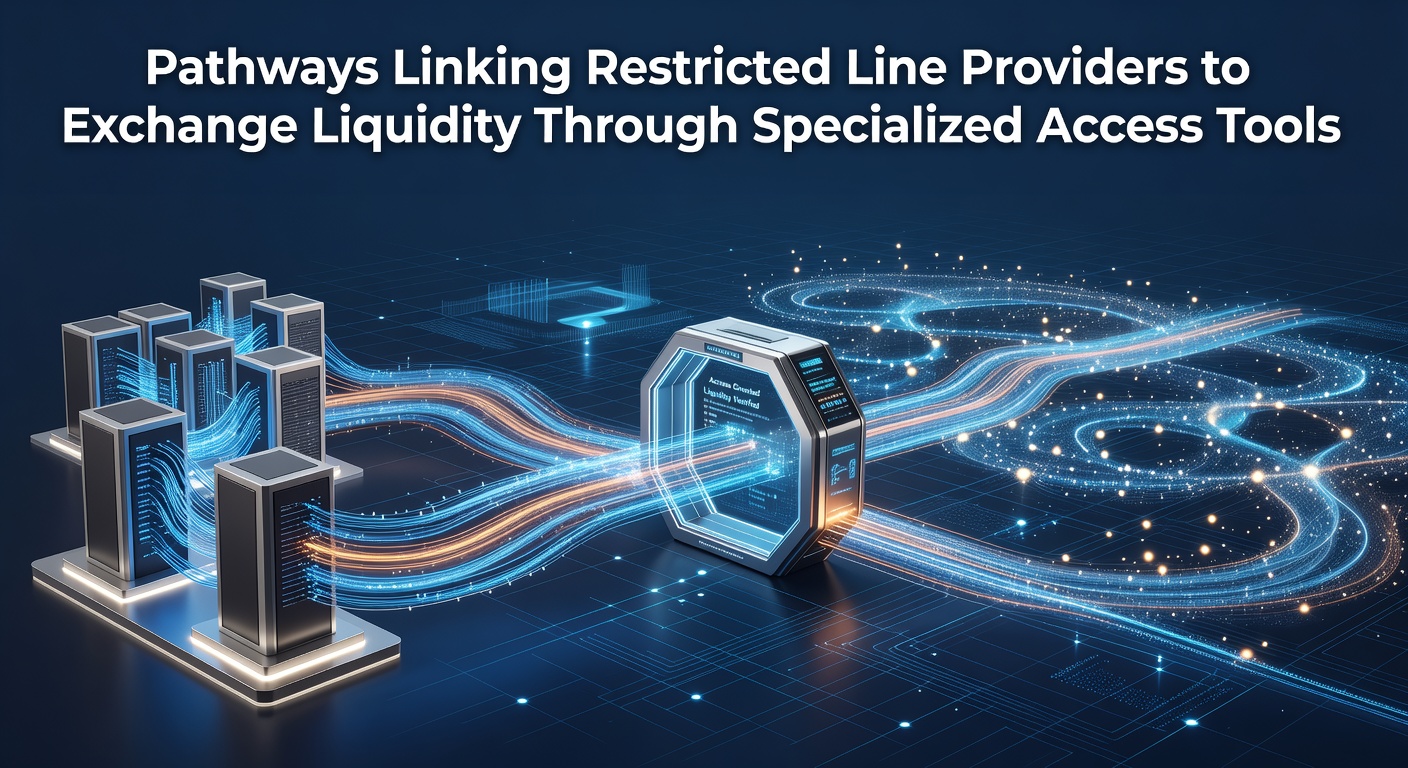
Restricted line providers operate with selective pricing models that limit direct participation for many market participants, while exchange platforms maintain deep liquidity pools drawn from diverse counterparties. Data from industry monitoring services shows these providers maintain tighter margins on select outcomes, creating demand for indirect access routes that preserve price integrity without triggering account restrictions. Observers note that specialized access instruments emerged to fill this gap by routing order flow through intermediary layers that aggregate and redistribute liquidity without exposing the originating accounts.
Core Components of Restricted Line Systems
Line providers apply dynamic limits based on account history, stake size, and geographic signals, according to reports compiled by regional trade associations. These constraints result in reduced exposure for high-volume traders, yet the underlying odds data retains value for those seeking to offset positions elsewhere. Researchers at academic institutions studying market microstructure have documented how such restrictions concentrate informational advantages among a narrow set of participants who maintain compliant profiles.
Exchange Liquidity Dynamics
Exchange venues aggregate unmatched orders from retail and professional users, producing continuous two-way pricing that adjusts in real time to incoming flow. Figures released by European financial oversight bodies indicate that liquidity depth on major exchanges often exceeds that available through single-provider channels, particularly during peak trading windows. This depth allows participants to execute larger positions without immediate slippage, provided they can source the initial price discovery from restricted providers.
Mechanics of Specialized Access Tools
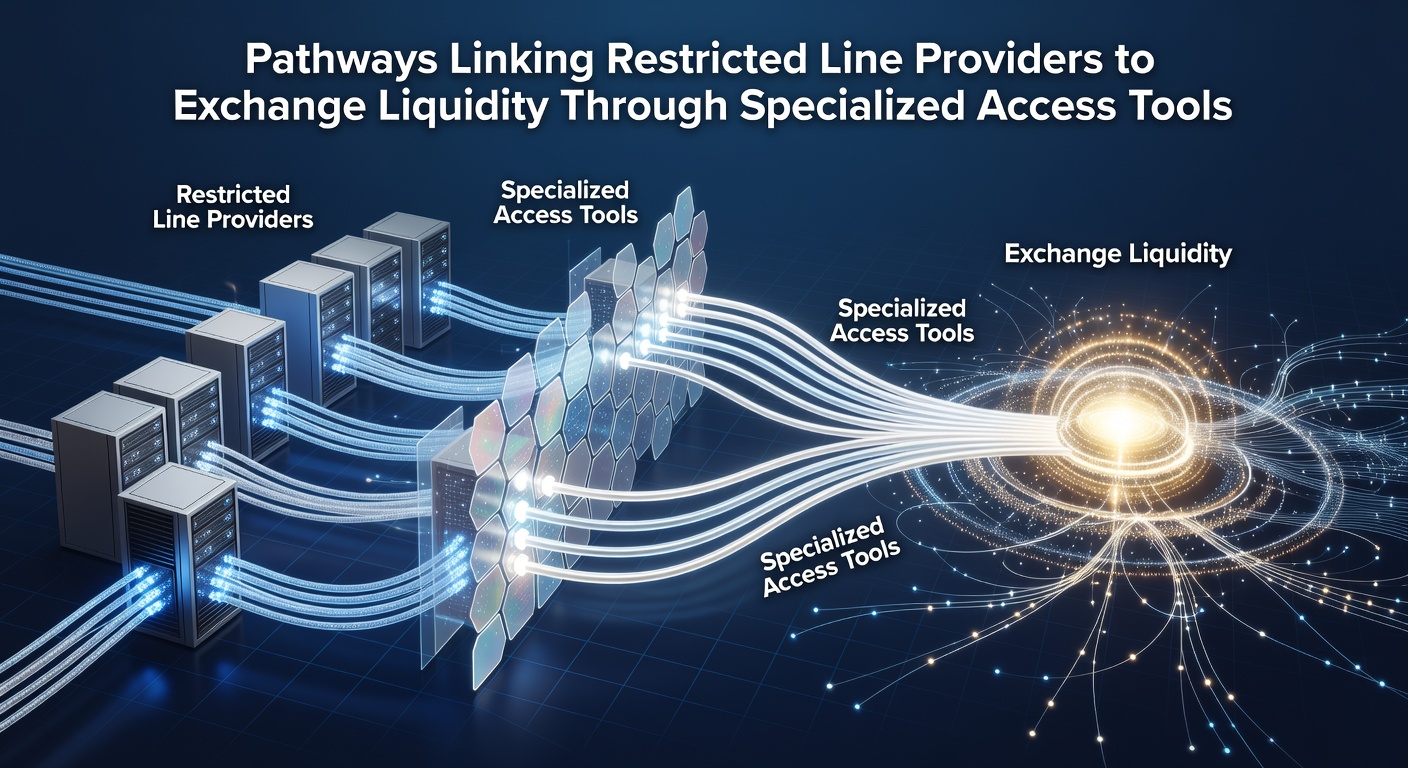
Access instruments function as middleware that translates order instructions from exchange interfaces into formats accepted by restricted providers. These tools employ layered authentication, traffic obfuscation, and volume distribution algorithms that keep individual account footprints below detection thresholds. Case studies presented at international gaming research conferences describe systems that split larger orders across multiple provider accounts while maintaining synchronized pricing feeds back to the exchange trader.
Integration occurs through application programming interfaces that pull live odds from restricted sources and push matched positions onto exchanges in coordinated sequences. Software developers have refined these pipelines to handle latency under 200 milliseconds, enabling near-simultaneous execution that capitalizes on temporary price discrepancies. Regulatory filings from Canadian provincial gaming authorities reveal that such tools must comply with data-handling standards that prevent unauthorized disclosure of proprietary pricing logic.
Operational Pathways Observed Through Mid-2026
By June 2026 monitoring reports indicated expanded adoption of hybrid routing protocols that combine direct API feeds with proxy server networks. These protocols distribute execution across time zones to avoid concentrated activity patterns that previously triggered provider-side reviews. Industry organizations tracking platform usage statistics noted a measurable increase in cross-border order routing volumes during the first half of the year, driven by traders seeking to maintain consistent access amid tightening compliance regimes.
One documented pathway involves staged order placement where initial smaller probes test provider responsiveness before larger blocks route through the exchange. This sequence reduces rejection rates while preserving the ability to scale positions rapidly once confirmation arrives. Additional pathways incorporate machine-learning modules that predict restriction likelihood based on historical account behavior, allowing preemptive rerouting before limits activate.
Technical Safeguards and Compliance Layers
Modern access instruments incorporate encryption standards and session isolation techniques that satisfy requirements outlined in Australian regulatory guidance on digital gambling infrastructure. Audit trails generated by these systems record every hop between provider and exchange, supporting post-trade reconciliation demanded by oversight entities. Those who have examined the architecture report that redundancy features automatically shift traffic to backup routes when primary connections encounter throttling or temporary blocks.
Conclusion
Pathways linking restricted line providers to exchange liquidity continue to evolve through iterative refinements in access tooling and regulatory adaptation. Available data through June 2026 demonstrates sustained usage growth alongside incremental improvements in execution reliability and compliance alignment. Market participants rely on these specialized instruments to maintain connectivity between constrained pricing sources and broader liquidity venues, with technical specifications and oversight frameworks shaping future developments in this segment.