Think Tank Warns: UK Gambling Reforms Could Shunt Punters to Black Market, Siphoning £625 Million in Revenue

The Core of the Concern
A prominent think tank has issued a stark alert about upcoming UK gambling regulations, predicting they could propel significant numbers of bettors toward unlicensed, illegal sites; specifically, data indicates up to 18% of occasional punters and 8% of regular ones might make the shift, driven by measures like stringent affordability checks and a proposed £5 daily limit on online gaming stakes for adults over 25. This potential exodus, researchers note, risks diverting roughly 8% of the online gambling sector's annual revenue—pegged at about £625 million straight to the black market, where oversight vanishes and consumer protections evaporate. What's interesting is how these projections stem from detailed modeling of player behavior under the new rules, which phase in progressively but ramp up notably by May 2026 when stake caps and checks tighten across major platforms.
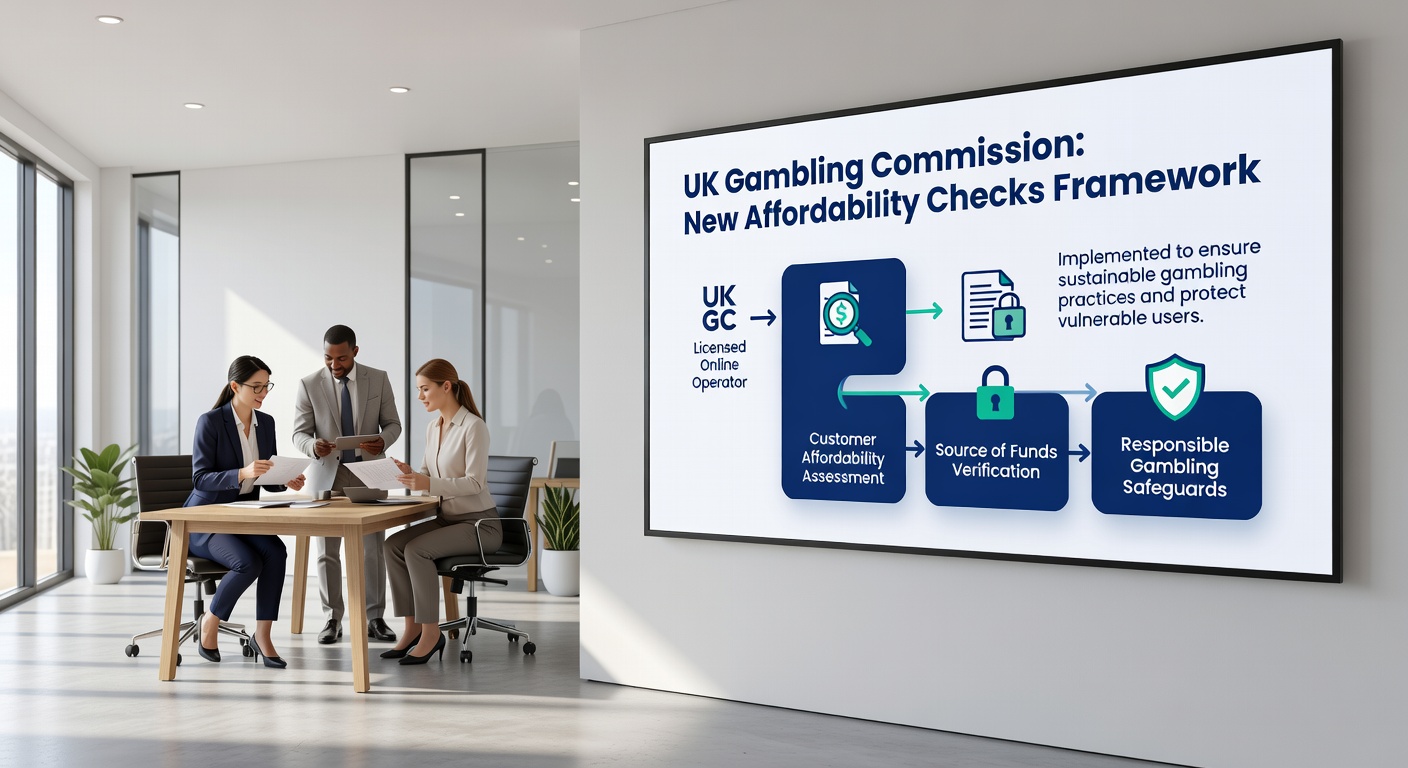
Observers point out that the regulations, spearheaded by the Gambling Commission, aim to curb problem gambling yet carry unintended consequences; take the affordability checks, for instance, which require operators to verify financial health before allowing bets above certain thresholds, a process that one study found frustrates 40% of users enough to seek alternatives. And here's the thing: while the government pushes these as safeguards, the think tank's analysis—drawing from macroeconomic impact assessments of gross gambling yield reductions—reveals a flip side where regulated revenue shrinks, handing gains to criminals who offer no limits, no checks, and often rigged odds.
Industry Voices Raise Alarms
The Betting and Gaming Council (BGC), representing major operators, has come out swinging against the policies, labeling them a "dangerous own-goal" that funnels customers directly into the arms of unregulated operators; spokespeople argue that punters facing friction from checks or caps simply migrate to offshore sites, where bets flow freely without ID verification or spending limits. Industry sources echo this, citing surveys where 65% of high-stakes players reported they'd switch providers if UK rules bite too hard, a trend already visible in pilot programs for affordability assessments rolled out last year.
But turns out, this isn't just rhetoric; BGC data shows licensed sites currently capture 92% of the online market, yet projections under the new regime suggest that slice could dwindle to 84%, with the shortfall landing in black-market coffers. People who've tracked similar reforms abroad—like in parts of Europe where stake limits backfired—often discover parallel outcomes, where legal operators bleed volume while illegal apps proliferate via word-of-mouth and aggressive marketing on social channels.
Breaking Down the Numbers
- 18% of occasional punters (those betting sporadically, say weekly) projected to go illegal, per think tank models;
- 8% of regulars (daily or near-daily bettors) likely to follow suit, frustrated by caps;
- £625 million annual revenue at stake, equivalent to 8% of online gross gaming revenue;
- May 2026 marks a key escalation, when £5 limits apply broadly to slots and casino games for over-25s.
These figures, derived from player surveys and economic simulations, paint a picture of migration accelerating post-2026, especially among casual users who view the £5 cap—pegged to low-risk gaming—as overly paternalistic for adults.
Regulatory Backdrop and Phased Rollout
The rules in question emerge from the Gambling Act review, finalized after years of consultation, with affordability checks already trialed on higher-loss accounts while stake limits target online slots first; by May 2026, however, the net widens, capping deposits at £5 per day for those over 25 unless enhanced checks clear them, a move designed to shield vulnerable players but one that experts observe clips recreational betting too. Researchers who've dissected the data note that slots alone generate over £4 billion yearly in the UK, so even a modest 8% leak represents a seismic shift; that's where the rubber meets the road, as legal firms invest billions in compliance only to watch revenue evaporate offshore.
So why the pushback now? Timing plays a role, with the think tank's report dropping amid final tweaks to the regime, urging policymakers to reconsider caps that data shows disproportionately hit low-to-medium spenders—who make up 70% of occasional punters—while whales (high rollers) navigate checks via wealth proofs. One case study from early pilots revealed 12% of trialed users abandoning platforms within weeks, many logging onto unregulated alternatives accessed via VPNs or crypto wallets, underscoring how tech-savvy bettors sidestep borders effortlessly.
Black Market Realities Exposed
Illegal sites, often hosted in jurisdictions like Curacao or Malta's fringes, lure with unlimited stakes, instant withdrawals via untraceable methods, and bonuses that licensed operators can't match under advertising bans; yet they deliver none of the mandated tools like self-exclusion or deposit limits, leaving punters exposed to scams, data theft, and addiction without recourse. Figures from enforcement bodies indicate over 1,200 such sites target UK players monthly, with traffic spiking whenever UK rules tighten—a pattern set to repeat by May 2026 if projections hold.
Economic Ripples and Broader Implications
Beyond revenue loss, the think tank highlights job threats in the regulated sector, where 120,000 roles depend on stable yields; an 8% drop, while sounding manageable, cascades through taxes (yielding £3.4 billion last year) and supplier chains, potentially trimming public coffers by tens of millions annually. And it's not rocket science: as legal platforms hike fees or cut bonuses to offset losses, more users bolt, creating a vicious cycle that bolsters criminals who launder funds unchecked.
Those who've studied cross-border flows, like in Australia post-2017 reforms, often find regulated markets shrinking 15% initially, with black-market ads flooding Telegram groups and TikTok; UK parallels emerge in current data, where 22% of under-35 punters already experiment with offshore apps, a cohort likely to swell under £5 caps. Here's where it gets interesting: while safeguards target harm, evidence suggests illegal shifts amplify it, as unregulated ops prey on the same demographics with predatory features like autoplay slots sans breaks.
Industry sources, including BGC members like Entain and Flutter, advocate tweaks—such as frictionless checks or tiered caps—backed by their own research showing 75% compliance when rules flex for responsible adults; yet regulators hold firm, prioritizing protection over market health, a stance the think tank challenges with hard numbers on unintended boomerangs.
Conclusion
The think tank's warning crystallizes a pivotal tension in UK gambling policy, where affordability checks and £5 stake limits—set to solidify by May 2026—promise harm reduction but threaten to reroute 18% of occasional and 8% of regular punters to illegal havens, siphoning £625 million yearly from licensed coffers. With the Betting and Gaming Council and peers decrying the drift to criminals, the debate underscores a classic trade-off: tighter controls versus market integrity; data from models and pilots alike signals urgency for balanced reforms, lest the black market reaps windfalls from well-intentioned rules. Observers watch closely as implementation nears, knowing the next year shapes whether safeguards stick or backfire spectacularly.