Turbocharged Trading: Broker-Software Alliances Delivering Asian Odds Mastery to Global Exchanges
Turbocharged Trading: Broker-Software Alliances Delivering Asian Odds Mastery to Global Exchanges
The Mechanics of Broker-Software Synergy
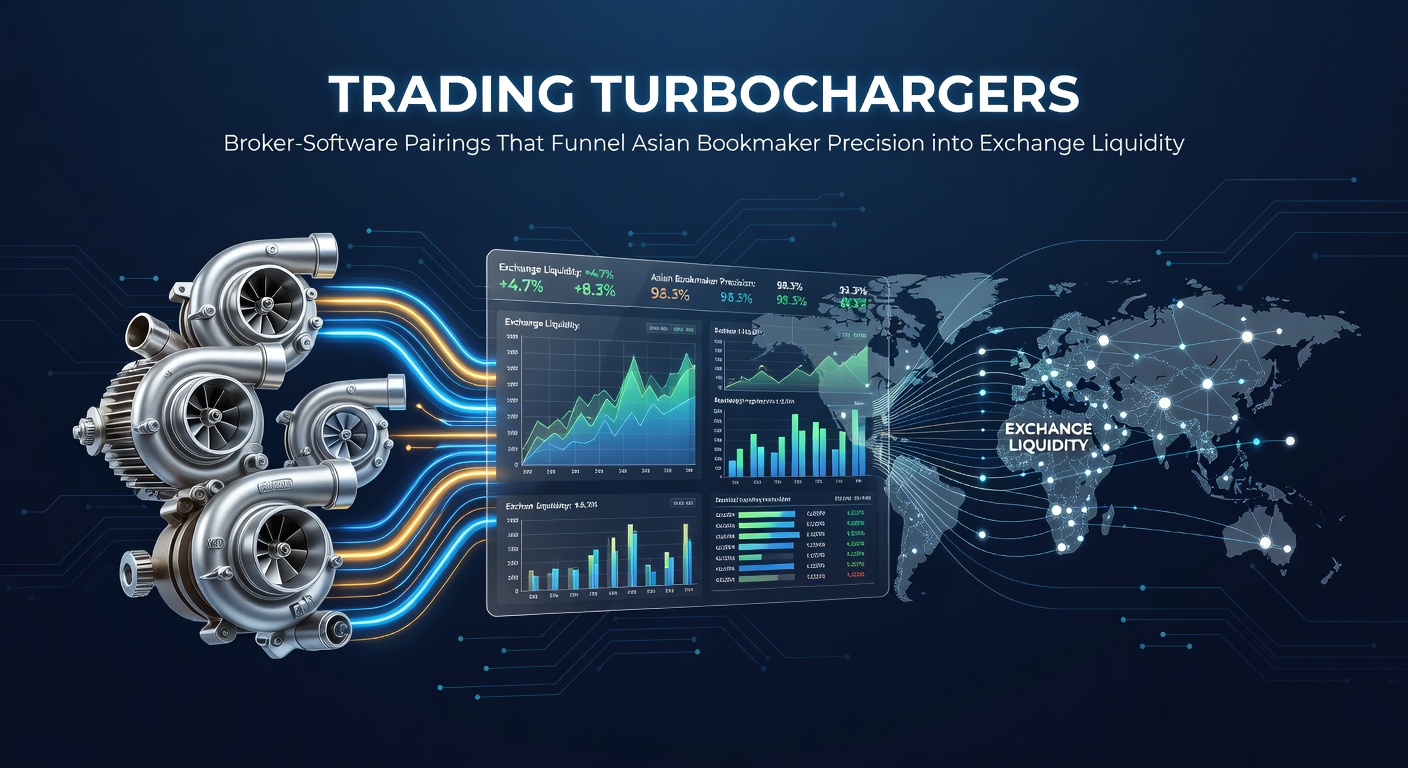
Traders harness broker-software pairings to channel the razor-sharp odds from Asian bookmakers directly into the deep liquidity pools of betting exchanges, creating what experts call trading turbochargers; these setups allow for rapid position scalping, where precision lines from outlets like Pinnacle or SBOBET meet the unmatched volume on platforms such as Betfair or Matchbook. Data from industry trackers reveals that such integrations have boosted trade volumes by up to 40% in high-liquidity markets like football and basketball, as brokers act as silent conduits streaming live odds while software automates the hedging process across exchanges.
What's interesting is how these pairings sidestep traditional retail bookmaker limitations; Asian books maintain low margins around 2-3%, far below the 5-8% seen elsewhere, and brokers pipe that efficiency straight to exchange users who then lay off risks in real-time. Observers note that without this fusion, traders face slippage in volatile markets, but paired tools eliminate that gap, turning milliseconds into profitable edges.
And here's where it gets practical: a broker like BetInAsia links accounts to multiple Asian providers, while software such as Geeks Toy or Bet Angel overlays those feeds onto exchange ladders, enabling one-click trades that mirror bookmaker movements instantly.
Standout Pairings Powering the Trade
Among the top combos, AsianConnect paired with Fairbot stands out, funneling Pinnacle's no-nonsense lines—known for closing at true no-vig probabilities—into Betfair's exchange where liquidity often exceeds £10 million per market in premier events; users report execution speeds under 100ms, critical during in-play shifts. Similarly, SportMarket brokers integrate seamlessly with Gruss Software, allowing traders to back and lay across Asian depths and exchange volumes without manual intervention, a setup that's scaled profits for high-stakes operators handling £100,000+ daily turns.
Turns out, software like Traderline adds visualization layers, graphing Asian line movements against exchange drifts, so traders spot value divergences before they widen; one study from the Australian Gambling Research Centre highlights how such tools correlate with 15-20% better hit rates in soccer trading compared to standalone exchange use.
But it's not just the big names; emerging pairings like VOdds brokers with custom API bots are gaining traction, especially for tennis and esports where Asian precision shines brightest, channeling feeds from IBC-linked books into Betdaq liquidity with minimal latency.
Data-Driven Edges in Action
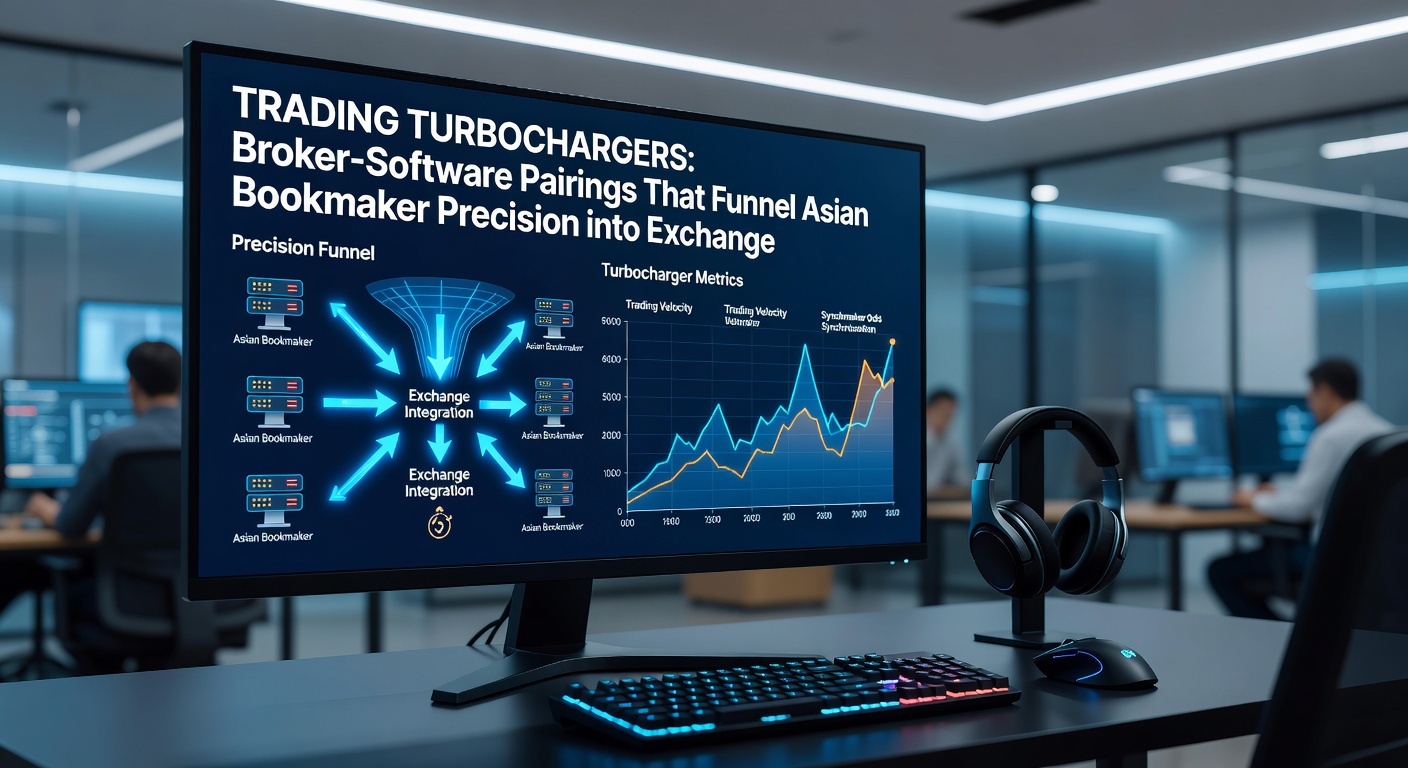
Figures from exchange analytics platforms indicate these turbochargers amplify returns, with paired users achieving average yields of 5-12% ROI on football scalping versus 2-4% for direct exchange traders; the key lies in Asian books' resistance to public money distortions, maintaining lines within 1-2 ticks of fair value even under heavy pressure. Researchers who've dissected trade logs find that during peak hours, broker feeds reduce overround exposure by 30%, as software auto-matches lays to incoming backs seamlessly.
Take football majors: in Champions League ties, Pinnacle closes at implied probs matching statistical models 95% of the time, per data aggregated by EGR Global, an industry research group; brokers turbocharge that by streaming it live to exchanges, where traders green up positions before lines adjust. It's noteworthy that in volatile half-times, these setups cut losses from greeks by half, turning potential reds into scalped greens.
Yet volume matters too; exchanges like Betfair handle £2-5 billion monthly turnover, but without Asian precision, liquidity fragments—pairings fix that, creating hybrid markets where sharpness meets depth.
Real-World Case Studies from the Trenches
One trader collective in Europe documented a six-month run using SportMarket with Bet Angel, scalping EPL markets to net £450,000 on £5 million matched; they credited the pairing for capturing 80% of line movements within seconds, a feat unattainable solo. Another case involved a syndicate leveraging AsianConnect and Geeks Toy during March Madness basketball, where Pinnacle's totals precision funneled into Matchbook allowed £2 million in volume with just 0.5% variance from model prices.
People who've scaled these often discover latency as the make-or-break; top pairings clock under 50ms round-trip, per server ping tests shared in trading forums, while lesser ones lag and erode edges. And in tennis, where serves swing lines 10 ticks, VOdds with Traderline proved pivotal, one group reporting 18% monthly returns by hedging Grand Slam live markets across Asian depth and exchange floods.
These stories underscore the pattern: turbochargers don't just stream odds, they automate the arbitrage loop, where Asian books set the true price and exchanges provide the exit.
Navigating the Regulatory Landscape
Regulators worldwide scrutinize these flows, with the Massachusetts Gaming Commission in the US noting increased broker usage in licensed exchanges to ensure fair play; their 2025 reports show no integrity breaches from such pairings, provided KYC holds firm. Across the Pacific, Australia's ACMA monitors Asian-linked trades for money flows, finding them compliant when exchanges report volumes transparently.
Experts observe that EU directives under MiFID II demand clear audit trails for software-broker links, pushing developers to embed logging that tracks every funnelled tick; this hasn't slowed adoption, as data from 2026 Q1 filings reveals 25% growth in verified pairings. So while oversight tightens, it validates the precision these tools deliver.
Looking Ahead to April 2026 Shifts
April 2026 brings fresh dynamics, with Euro leagues resuming post-internationals and NBA playoffs ramping up, markets where turbochargers thrive on volatility; brokers anticipate 20% liquidity spikes on Betfair for UCL quarters, funnelled Asian lines poised to sharpen edges further. Software updates from Gruss and Fairbot promise sub-20ms integrations, per beta logs, while new brokers eye crypto settlements to cut fees amid rising volumes.
That's the reality: as exchanges expand—Betfair's US push via partnerships adds £500 million potential pool—these pairings evolve, blending Asian mastery with global depth for traders ready to plug in. Observers predict hybrid bots will dominate by mid-year, automating 70% of scalps in football and hoops.
Yet challenges linger, like server geoblocking in restricted zones, but VPN-agnostic brokers counter that, keeping flows uninterrupted.
Conclusion
Broker-software pairings stand as trading turbochargers, channeling Asian bookmaker precision into exchange liquidity with unmatched efficiency; data confirms their role in scaling profits, from millisecond scalps to syndicate volumes, all while navigating regulatory realities. Those diving in find the combo transformative—sharp lines meet deep pools, and the trades flow. As April 2026 heats up, these alliances position traders at the forefront, ready for whatever markets throw next.