UK Gambling Operators Adapt as Affordability Checks Take Hold Across Licensed Platforms

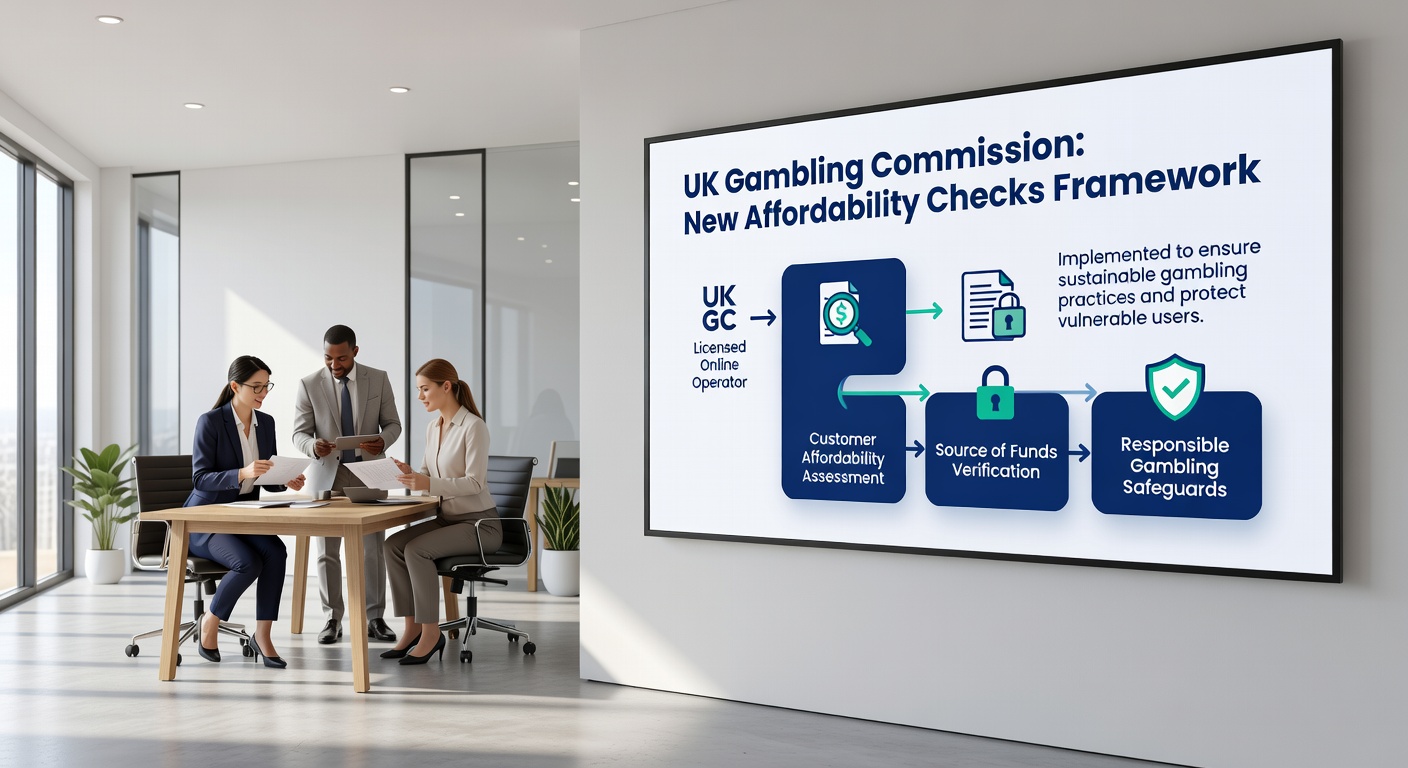
The UK Gambling Commission rolled out phase one of its affordability checks framework in February 2026, requiring licensed online operators to perform frictionless financial risk assessments once players reach a £150 net-loss threshold per month. This measure forms part of a broader effort to monitor spending patterns without interrupting play, and operators have since integrated automated tools that flag accounts for review based on transaction history and deposit behavior. By May 2026 the system had been active for three months, giving regulators and companies time to assess initial outcomes across major betting sites and casino platforms.
How the Framework Operates in Practice
Operators must conduct these assessments using data already available through payment processors and account records, avoiding additional steps that could frustrate users. When a player crosses the £150 monthly net-loss mark the platform triggers an internal evaluation that considers factors such as deposit frequency, average stake size, and account age. If the system identifies elevated risk the operator may limit further deposits or prompt a conversation about responsible gambling tools, yet the process stays largely invisible to the majority of casual participants. Data indicates that most assessments conclude without intervention because the majority of players remain below the defined threshold throughout any given month.
Market Impact Emerges by Spring 2026
Early figures for 2026 show a 3-5% reduction in overall UK gross gaming yield compared with projections made before the framework launched. Several medium-tier operators have chosen to exit the regulated market rather than invest in the required compliance technology, citing narrow margins that leave little room for additional operational costs. Those departures have concentrated market share among larger groups that already maintain sophisticated monitoring systems and can absorb the expense of ongoing audits. At the same time player traffic to unlicensed offshore sites rose between 8% and 12% during the first quarter of 2026, suggesting some users sought platforms that do not apply the same spending checks.
Player Migration Patterns Observed
Reports compiled from traffic analytics firms reveal that offshore domains experienced the steepest gains in visits from UK IP addresses during March and April. Many of these visitors previously held accounts with licensed operators that introduced deposit caps or mandatory spending reviews after the affordability threshold was crossed. While some players returned to regulated sites once they adjusted to smaller deposit limits, others remained with offshore alternatives that continue to accept larger transactions without friction. Observers note that the shift appears most pronounced among users who regularly exceed £150 in monthly losses, precisely the segment the framework targets for closer scrutiny.
International Regulators Take Notice
State gaming control boards in New Jersey, Michigan, and Pennsylvania have begun reviewing the UK model as they refine their own responsible gambling programs. Meetings held in April and May 2026 included presentations from UK Gambling Commission staff who outlined implementation challenges and early performance metrics. Although no American jurisdiction has adopted identical thresholds, several are exploring frictionless assessment tools that could activate at spending levels determined locally. Discussions continue into the summer, with working groups scheduled to deliver preliminary recommendations by late June.
Operator Adjustments and Compliance Costs
Companies that stayed in the UK market have reported increased spending on software updates and staff training to handle the new assessments smoothly. Some have introduced tiered deposit options that keep most players under the £150 line while offering higher limits only after additional verification steps. These changes have not eliminated revenue entirely, yet they have prompted a reallocation of marketing budgets toward lower-risk customer segments. Medium-sized operators that exited cited both the direct cost of compliance and uncertainty about future phases of the framework as key factors in their decisions.
Looking Ahead to Later Phases
The Commission has signaled that phase two will introduce tighter thresholds and more detailed reviews, although exact dates and limits remain under consultation. Licensed operators continue to refine their internal models in anticipation of these adjustments, while offshore platforms maintain their position as alternatives for players seeking fewer restrictions. By May 2026 the conversation among industry participants centers on balancing regulatory expectations with commercial viability, and traffic data collected through the second quarter will help determine whether the initial 8-12% offshore shift stabilizes or grows further.
Conclusion
The affordability checks framework has already altered operational practices for UK licensed operators and influenced regulatory thinking abroad. As phase one completes its first full quarter and preparations for subsequent stages advance, both domestic and international stakeholders will monitor player behavior and revenue figures closely to gauge the long-term effects of the £150 threshold and its associated assessment process.